Traditional meditation doesn’t always resonate with everyone on their spiritual journey. That’s why exploring alternative meditation techniques can be transformative for those seeking deeper connections with their inner selves.
Whether you’re a seasoned practitioner who feels stuck in your routine or a beginner searching for something that resonates, alternative meditative practices offer fresh pathways to enlightenment and inner peace.
These unconventional approaches to mindfulness can unlock doors in your consciousness that you didn’t even know existed. From ancient practices being rediscovered to modern innovations, the meditation landscape has evolved dramatically.
Best of all, you don’t need expensive retreats or years of training to begin. With proper guidance—and perhaps a few supportive tools like a meditation cushion or noise-canceling headphones—you can transform your practice from the comfort of your home.
Before exploring the many methods available, it helps to understand what sets alternative meditation apart from more traditional practices—and why they may be a better fit for your individual rhythm.
Understanding Alternative Meditation Techniques
Before diving into specific practices, it’s crucial to understand what makes a meditation technique “alternative.” Traditional meditation typically focuses on breath awareness, sitting still, and clearing the mind. Alternative techniques, however, embrace movement, creativity, sound, and even technology to achieve similar states of consciousness.
These methods succeed because they tap into different aspects of our being. Some people are kinesthetic learners who need movement to process emotions. Others are auditory processors who respond more effectively to sound-based practices.
By matching your meditation style to your natural inclinations, you’re more likely to maintain the practice and experience profound results.
The beauty of alternative meditation lies in its accessibility. You don’t need to force yourself into a lotus position or struggle with a wandering mind for hours. These techniques meet you where you are, working with your natural tendencies rather than against them.
“The soul always knows what to do to heal itself. The challenge is to silence the mind.” – Caroline Myss
Movement-Based Meditation Practices
Walking Meditation Variations
While traditional walking meditation emphasizes slow, deliberate steps with mindful awareness of each movement and breath, incorporating unique variations can deepen your sensory experience and promote a stronger mind-body connection.
One such variation is grounding meditation, also known as earthing, which involves walking barefoot on natural surfaces like grass, soil, sand, or even smooth stones. As your bare feet make contact with the earth, you’re not only tuning into the sensations of touch and pressure but also aligning with the subtle electrical energy of the ground.

This practice is believed to reduce stress and inflammation, enhance mood, and even improve sleep—benefits supported by emerging research in holistic wellness and environmental medicine.
Grounding meditation invites you to fully engage your senses: notice the temperature beneath your feet, the texture of the soil or grass blades, and how each step draws your attention to the present moment.
Dynamic Movement Meditation

Qigong and Tai Chi represent ancient forms of moving meditation, but modern variations have emerged that blend these traditions with contemporary understanding of body mechanics.
Ecstatic dance meditation encourages free-form movement without choreography, allowing your body to express what words cannot. Start with gentle swaying and let your body guide you into whatever movements feel natural.
Shaking meditation, inspired by trauma release exercises, involves deliberately shaking your body for 15-20 minutes.
This practice helps release stored tension and trauma from the nervous system. Begin with gentle shaking of your hands, then gradually involve your entire body. A quality yoga mat provides essential cushioning for these more active practices.
Sound-Based Meditation Techniques
Sound Frequency Meditation (Binaural Beats & Brainwaves)

This alternative meditation technique uses specially designed audio tracks that play moderately different frequencies in each ear.
Your brain naturally entrains to this frequency difference to the difference between these frequencies, which induces specific states of consciousness. Delta waves (0.5-4 Hz) promote deep sleep and healing, while theta waves (4-8 Hz) enhance creativity and deep meditation.
To practice effectively, you’ll need quality stereo headphones that can accurately reproduce these frequencies. Start with 15-minute sessions and gradually increase the duration as you become comfortable with the sensations.
Many practitioners report experiencing vivid visualizations, emotional releases, and profound insights during these sessions.
Mantra and Chanting Innovations
While traditional mantra meditation uses Sanskrit phrases, modern practitioners have developed personalized approaches. Vowel toning involves sustaining vowel sounds (A, E, I, O, U) to vibrate different areas of your body.
Each vowel resonates with specific chakras: “A” vibrates in the heart, “E” in the throat, “I” in the third eye, “O” in the solar plexus, and “U” in the root chakra.
Another innovation is gibberish meditation, where you speak nonsense sounds for 15-30 minutes. This practice, popularized by Osho, helps you bypass the logical mind and release emotional blockages.
Follow this with 15 minutes of silence to integrate the experience. A meditation timer helps you track these phases without constantly checking the clock.
Creative and Artistic Meditation Methods
Mandala Drawing Meditation

Creating mandalas combines the focus of traditional meditation with creative expression. Begin at the center and radiate outward, adding patterns, shapes, and colors intuitively. This practice anchors you in the present moment while allowing subconscious material to surface through your artistic choices.
You don’t need artistic skill—the process matters more than the outcome. Invest in quality colored pencils or fine-tip markers to enhance the experience. Many practitioners maintain a mandala journal to track their inner journey through their creations.
Automatic Writing Meditation
This technique involves writing continuously without stopping to think or edit. Set a timer for 20 minutes and keep your pen moving, even if you find yourself writing “I don’t know what to write” repeatedly. Eventually, deeper thoughts and insights emerge, bypassing the critical mind.
Some practitioners combine this with question-based meditation, beginning each session with a specific query to their higher self. A beautifully bound meditation log or dedicated journal can become a sacred tool for self-discovery.
Technology-Enhanced Meditation Practices

Virtual Reality Meditation
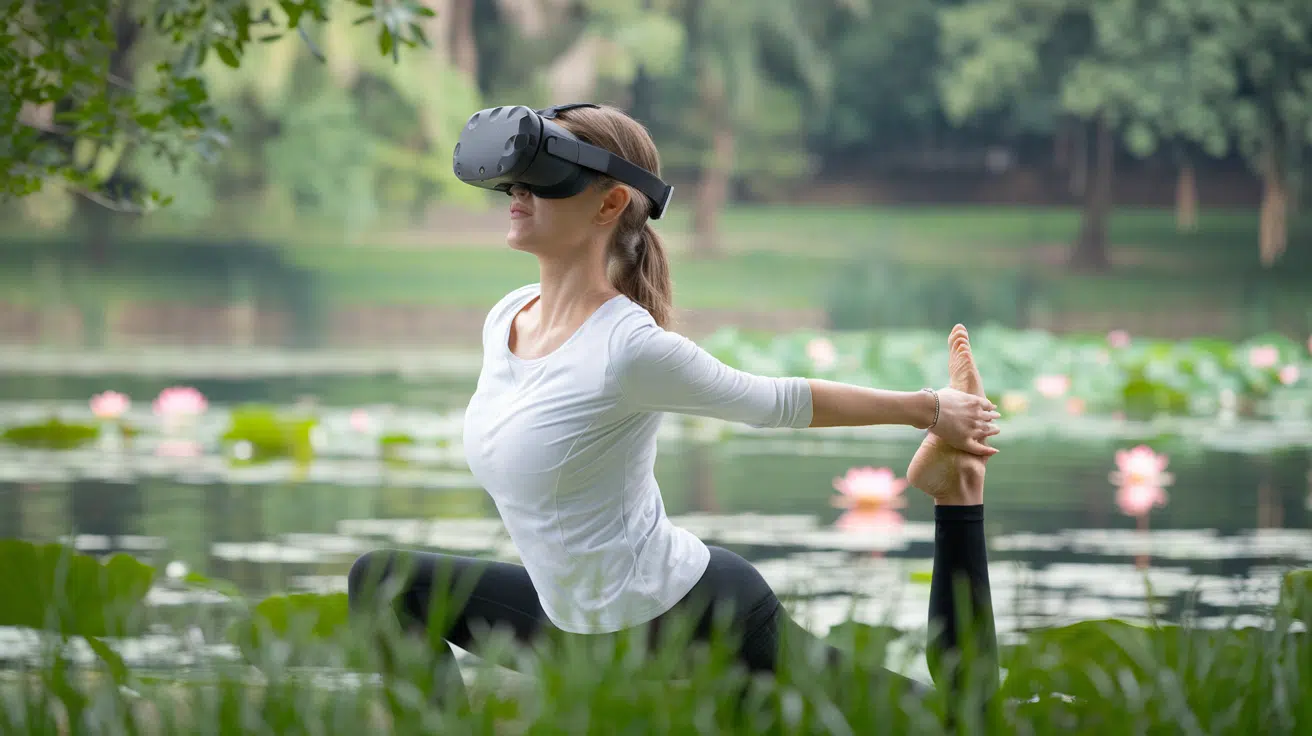
VR meditation transports you to calming environments that would be impossible to access physically. Whether you’re floating through space, sitting beside a perfect waterfall, or exploring fantastical landscapes, VR can deepen your practice by engaging multiple senses simultaneously. Modern VR headsets offer increasingly affordable entry points to this technology.
Research demonstrates that VR meditation can be particularly effective for anxiety reduction and pain management. The immersive nature helps those who struggle with traditional meditation maintain focus and achieve deeper states more quickly.
Biofeedback Meditation
Using devices that monitor heart rate variability, skin conductance, or brainwaves, biofeedback meditation provides real-time data about your physiological state. This objective feedback helps you understand what works for your unique system and accelerates your progress.
Portable biofeedback devices make this technology accessible for home practice. Start by establishing baseline readings, then experiment with different techniques to discover what most effectively shifts your physiology toward coherence and calm.
Integration and Daily Practice
Creating Your Alternative Meditation Routine
The path to success with any dedicated meditation practice lies in being consistent. Design a routine that incorporates two or three alternative techniques, rotating them based on your daily needs. Morning sessions might call for energizing movement meditation, while evenings benefit from soothing sound-based practices.
Maintain a meditation log documenting which techniques you use, their duration, and any notable experiences. This record helps you identify patterns and refine your practice over time. A simple notebook dedicated to this purpose becomes a valuable tool for tracking your spiritual evolution.
Combining Techniques for Deeper Experiences
Once you’re comfortable with individual practices, experiment with combinations. Try mandala drawing while listening to binaural beats, or practice vowel toning during walking meditation. These hybrid approaches can produce unique states of consciousness and breakthrough experiences.
Remember that alternative meditation techniques aren’t meant to replace traditional practices entirely but rather to complement and enhance your spiritual journey. Many practitioners find that exploring alternatives eventually deepens their appreciation for classical methods.
Common Challenges and Solutions
Overcoming Skepticism
It’s natural to feel skeptical about unconventional practices. Start with techniques that feel least threatening to your worldview. If technology-based methods seem too modern, begin with movement practices rooted in ancient traditions. Conversely, if ancient practices feel too esoteric, start with scientifically backed approaches like biofeedback.
Dealing with Intense Experiences
Alternative meditation can sometimes produce powerful emotional or energetic releases. Ensure you have support systems in place: a trusted friend, therapist, or spiritual teacher who understands these practices. Keep grounding tools nearby, such as crystals or essential oils, to help stabilize yourself if experiences become overwhelming.
The Path Forward

Alternative meditation techniques offer exciting possibilities for modern spiritual seekers. By embracing these diverse approaches, you’re not abandoning tradition but expanding your toolkit for consciousness exploration. Each technique provides a different lens through which to view your inner landscape, ultimately leading to a more comprehensive understanding of your true nature.
Whether you’re drawn to the precision of biofeedback, the freedom of ecstatic dance, or the creativity of mandala drawing, there’s an alternative meditation practice waiting to revolutionize your spiritual journey.
Start with one technique that resonates with you, commit to regular practice, and remain open to wherever the path leads.
Remember, the goal isn’t to master every technique but to find what works for your unique constitution and circumstances.
As you explore these alternatives, you may discover that meditation isn’t something you do—it’s something you become.
With patience, curiosity, and the right tools to support your practice, these unique meditation techniques can transform not just your spiritual practice but your entire approach to life. You don’t need to know everything to begin.
You only need openness, and the willingness to feel. Let your first step—even if uncertain—be sacred. Discover what speaks directly to your soul.
Curious about meditation but not sure where to begin?
With so many apps, audio books, and programs out there, it’s easy to feel overwhelmed before you even start. That’s why we recommend beginning with these simple, affordable meditations created by the trusted experts at Mindful. No fluff, no pressure—just gentle support to help you ease into the practice.
feelbetterwithin.com participates in the Amazon Services LLC Associates Program, an affiliate advertising program designed to provide a means for sites to earn advertising fees by advertising and linking to Amazon.com and other affiliate programs.