
To recover after spending time with a narcissist or someone with narcissistic patterns, start by calming your body before trying to make sense of the conversation. These interactions can leave empaths feeling confused, guilty, angry, ashamed, drained, or desperate to explain themselves. Your first job is not to win the argument in your head. Your first job is to return to yourself.
If this keeps happening, this deeper guide on how empaths protect themselves from narcissists can help you understand the emotional pull and how to step back more safely.
This article uses the word “narcissist” in a general self-help and relationship-pattern sense. It is not intended to diagnose anyone with narcissistic personality disorder.
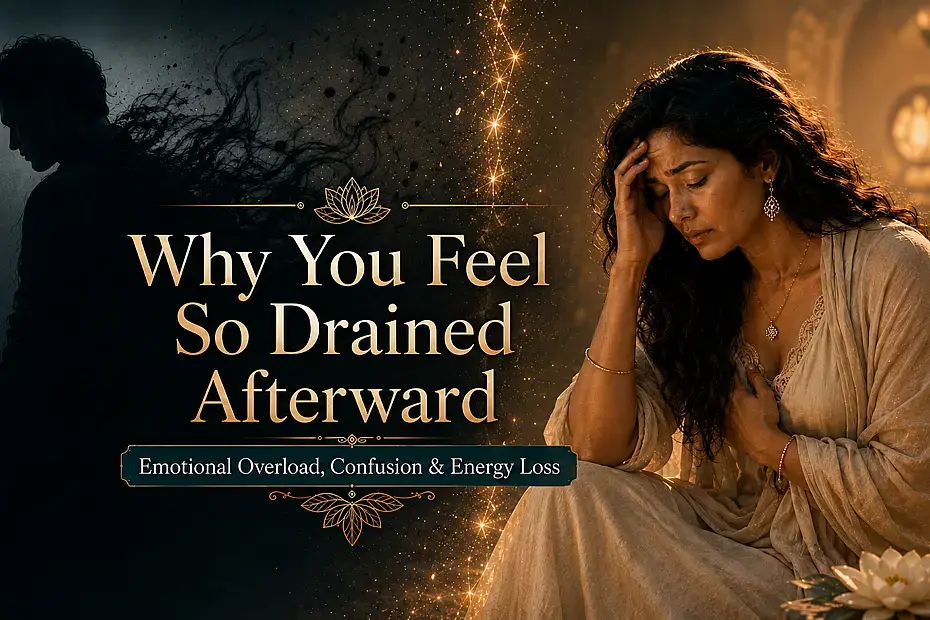
Why You Feel So Drained Afterward

Many empaths try to create peace during difficult interactions. You may soften your words, explain your intentions, manage the other person’s mood, and keep scanning for danger signs.
That is exhausting.
With a narcissistic or emotionally manipulative person, the emotional rules may keep changing. You may feel like no matter what you say, it gets twisted. You leave the conversation wondering:
“Was it me?”
“Did I overreact?”
“Should I have said it differently?”
“Why do I feel guilty when I know something felt wrong?”
That confusion is part of the drain.
If this leaves you feeling heavy or foggy afterward, you may also be experiencing an empath hangover.
Step One: Stop Replaying The Conversation
Replaying can feel like problem-solving, but often it keeps your body trapped in the interaction.
Try saying:
“I do not have to solve this tonight.”
“I do not need to explain myself to be allowed peace.”
“Their reaction is not my responsibility.”
If you often feel responsible for keeping everyone calm, read how to stop feeling responsible for everyone’s emotions.
Step Two: Reset Your Body
After difficult contact, do something physical and simple.
Wash your hands. Take a shower. Walk outside. Stretch your shoulders. Drink water. Change clothes if the interaction felt heavy.
These small actions tell your body, “That moment is over now.”
You can also try the 10-minute empath reset after socializing to clear emotional residue before it turns into a longer crash.
Step Three: Rebuild The Boundary
Ask yourself:
What did I ignore before this interaction?
What boundary did I soften?
What will I do differently next time?
Strong empath boundaries are not about punishing anyone. They are about not letting someone else’s behaviour hijack your peace.
If you keep blaming yourself, over-explaining, or trying to rescue the relationship, recovery from codependency for empaths may help you understand why leaving emotional chaos can feel so hard.
Repeated narcissistic interactions can also lead to empath burnout, especially when you keep absorbing blame, confusion, or guilt that was never yours to carry.
What To Do If Contact Is Ongoing
If you cannot fully avoid the person, keep your responses shorter. Do not share vulnerable information with someone who weaponises it later. Avoid emotional debates that go in circles. Write down what happened after confusing interactions so you can stay anchored in facts.
You do not need to prove your pain to someone committed to misunderstanding you. That sentence alone deserves a cup of tea.
FAQ
How Do I Stop Feeling Guilty After Spending Time With A Narcissist?
Start by separating guilt from responsibility. Guilt can appear even when you did nothing wrong, especially if you are used to managing someone else’s mood. Ground your body first, then look at the facts of what happened.
Should I Cut Off A Narcissistic Person Completely?
That depends on the situation, your safety, your relationship, and your circumstances. Sometimes boundaries, limited contact, or professional support are needed. If there is abuse, coercive control, threats, or fear, seek help from a qualified service or trusted professional.
How To Recover After Spending Time With A Narcissist | Final Thought
Recovering after spending time with a narcissist is not about becoming hard. It is about becoming clear. You can be kind without being available for emotional chaos.

Cite or share this page
Want to reference this guide? Please link to the canonical page rather than copying the article.