

Recovery from codependency for empaths is the process of breaking the “I’m responsible for everyone’s feelings” loop—so you can stay loving and intuitive without overgiving, rescuing, or losing yourself in other people’s needs. It’s learning to feel what you feel, recognize what isn’t yours to carry, and choose relationships where your care doesn’t require self-sacrifice.
In this post, you’ll uncover why empathic people slip into codependent dynamics, the subtle signs it’s happening (even when it looks like “being a good person”), and the practical steps to come home to yourself—boundaries that don’t feel cruel, self-worth that isn’t earned through fixing, and a calmer way of connecting that finally feels safe.
Why Empaths Get Stuck in Codependency

Picture this: you’re out with friends, and suddenly you’re carrying their stress like it’s yours. That’s empath life.
But codependency kicks in when you can’t stop—you chase the high of helping, even if it hurts you. We empaths absorb shame, anger, all of it, because our boundaries are basically nonexistent.
You might stay in toxic relationships, thinking, “If I just love them more, they’ll change.” Spoiler: they don’t.
It often starts young. Maybe your family was chaotic, and you learned to people-please to keep peace.
Now, as an adult empath, you attract drama magnets—addicts, borderlines, you name it. They love your vibe, but they drain it dry.
The big sign? You feel wiped out after being around certain people, or you skip your own needs to “rescue” them. Sound familiar? If you’re nodding, good—this is your wake-up call.
The difference between being an empath and codependent? Empaths feel deeply but can protect themselves.
Codependents? We give till there’s nothing left. But here’s the hope: you can recover. It starts with seeing you’re not powerless—you’re just giving your power away.
Check out our empath grounding rituals if you’re feeling that wipe-out right now. They’ll help you reset fast.
Spotting Your Codependent Patterns as an Empath
Let’s get real about the red flags.
Do you apologize for everything, even when it’s not your fault?
Constantly check on someone who’s not texting back?
Feel guilty saying no?
That’s codependency talking. For empaths, it’s extra sneaky because it feels like compassion. But compassion doesn’t leave you anxious and depleted.
You might mirror their emotions so hard you lose yours. Or tolerate crap because you “sense their pain.” I did this for years—stayed with partners who sucked my energy, all while ignoring my gut screaming to run.
Journal it out: list relationships where you’re always the giver. If it’s one-sided, that’s your cue.
Another biggie: emotional overload. Crowds, family dinners—they hit harder because you’re picking up everyone’s vibes.
Without boundaries, it snowballs into burnout. Track your energy after interactions. Low? Time to pull back.
Step 1: Reconnect with You (The Most Important One)
Recovery from codependency for empaths starts here: you. Stop the outward focus.
Sit quiet for five minutes a day and ask,
“What am I feeling?
What do I need?”
Write it down—no judging. Maybe it’s a walk, a nap, or just space. Honor that.
I promise, this rebuilds your sense of self. Empaths lose it in the shuffle, but reclaiming it feels like coming home.
Try breathwork to tune in—our 4 micro breathwork practices are perfect for quick resets when anxiety spikes.
Build self-love daily. Affirmations like “My needs matter” sound cheesy, but they work. Ditch self-criticism; talk to yourself like a good friend. You’re not selfish—you’re surviving.
Step 2: Self-Care That Actually Sticks
Self-care isn’t bubble baths if you’re forcing it. It’s whatever recharges you. For codependent empaths, prioritize solo time: read, hike, meditate.
Get back to hobbies you dropped for others. When you’re good inside, you stop seeking validation outside.
Self-soothing is key for our emotional roller coasters. Deep breaths, grounding walks, or crystals if that’s your jam.
Grab our top 10 crystals for protection and grounding—black tourmaline is a game-changer for blocking bad vibes.
Nurture other relationships too. Call a friend who’s not draining. Isolation feeds codependency, so rebuild your circle slowly.
Step 3: Boundaries—Your Empath Superpower Unlock
This one’s tough but life-changing. Boundaries aren’t walls; they’re filters. Start small: “I can’t talk right now, need some me-time.” Say it kindly but firm. Practice in the mirror if it feels weird.
For empaths, learn to detach. Feel their pain? Acknowledge it, but don’t own it. “That sounds rough—hope you feel better” then step away. No fixing. If they guilt-trip, that’s on them.
In relationships, watch for red flags like constant crises. Our protect your aura from toxic environments post has tips to stay hermit-free while shielding up.
Role-play nos: “No, I won’t lend money again.” Guilt hits? Breathe through it. Over time, healthy people respect it; toxic ones bounce.
Step 4: Ditch the Fixer Role
Empaths love healing, but you can’t heal everyone. Offer empathy, not your soul. Listen without solving. “What do you think you’ll do?” shifts it back.
If it’s a narcissist or addict, accept you can’t change them. Detach with love—focus on your growth. Therapy helps unpack why you attract them. Groups like Codependents Anonymous are gold for empaths.
Shift to interdependence: give and receive equally. That’s real connection.
Step 5: Handle the Tough Stuff—Trauma and Relapses
Codependency roots in old wounds—shame, neglect. Dig gentle: journal childhood patterns. Therapy (CBT rocks) rewires the need to please.
Relapses happen. You slip into old habits? No shame. Notice, reset, keep going. Celebrate wins: a boundary held, a night alone enjoyed.
For sleep wrecked by overthinking, try 7 best empath sleep aids. They saved my restless nights.
Building Healthy Relationships Post-Recovery From Codependency for Empaths

Once you’re solid, relationships level up. You attract equals, not takers. Date yourself first—know your worth. Say yes to mutual support.
Spot codependency early: Do they respect your no? Celebrate your wins? Green flags.
Spiritual tools amplify this. Full moon ceremonies for releasing old patterns, or sound healing techniques to vibe higher.
Daily Habits to Stay Free
- Morning: 5-min check-in—what do I need today?
- Day: One boundary practice.
- Night: Journal wins, gratitude.
- Weekly: Solo fun, friend time.
Meditate on self-love. Healing through breath releases stuck emotions fast.
You’re not broken—you’re powerful. Recovery from codependency for empaths turns your sensitivity into strength.
Quick Wins:
- Journal needs daily.
- Practice “no” weekly.
- Self-care > fixing others.
- Boundaries = freedom.
You’ve got this. Dive into spiritual awakening books for more depth.
If you’re ready to deepen your self-discovery journey, these reader-favorite resources can help support your growth:
🌙 Moon Planner Journal
Many empaths notice that their emotions, energy levels, and intuition fluctuate throughout the month.
The Moon Planner Journal helps you track lunar cycles, emotional patterns, personal growth, and self-care practices so you can better understand your unique rhythms and create more balance in your life.
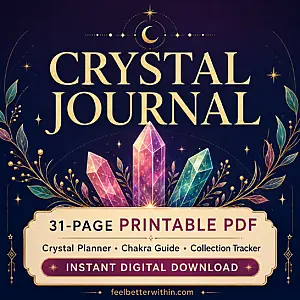
💎 Crystal Journal PDF | Printable Crystal Planner, Chakra Guide & Crystal Collection Tracker
For empaths who enjoy crystal healing, chakra work, or mindfulness practices.
The Crystal Journal provides a beautiful way to organize your crystal collection, record personal insights, track chakra healing progress, and create intentional grounding rituals that support emotional well-being.

Cite or share this page
Want to reference this guide? Please link to the canonical page rather than copying the article.