

None of the seven products below is made specifically for empaths. For someone who identifies this way, the most useful choice is the one that addresses the actual barrier to rest: a mask for light, steady sound or earplugs for noise, a weighted blanket for comfortable pressure, a pillow spray or diffuser for a calming scent, or an air purifier when airborne particles are the concern.
After conflict, caregiving, crowded spaces or prolonged messaging, some people stay mentally alert and replay details. Spiritual traditions may describe this as carrying the day’s energy; in ordinary terms, it can also be emotional carry-over or sensory overload. Neither interpretation proves that another person’s energy has literally been absorbed.
These aids are for comfort and environmental control. They are not cures for insomnia or proof that a sleep problem is spiritual. If disrupted sleep persists or affects daytime functioning, speak with a healthcare professional because poor sleep can have causes unrelated to sensitivity.
What empath-friendly sleep support means
An empath identity does not create a separate kind of insomnia. It may, however, help identify useful preferences: low light, predictable sound, fewer late-night demands and a clear transition away from other people’s concerns.
Sleep support here means reducing avoidable input and giving the evening a definite stopping point. For a parenting-specific perspective, see Why Empath Parents Feel Wrecked After Kids Have Gone To Sleep.
Before choosing an aid, ask three practical questions:
- What is keeping me alert: light, sound, physical restlessness, room conditions or replaying a conversation?
- Which single change addresses that problem without adding more stimulation?
- Is there an emotional demand or boundary that needs attention tomorrow rather than tonight?
Grounding can also provide a transition between an emotionally demanding day and bedtime. For an optional spiritual approach, the related guide is here: Empath Grounding Rituals: Why You Feel Wiped Out and How to Get Your Energy Back.
Daytime boundaries may matter as much as the bedroom environment. For a spiritual discussion of energy hygiene and difficult settings, read: How to Protect Your Aura From Toxic Environments (Without Becoming a Hermit).
Its language can be used symbolically: notice what has unsettled you, decide what action is actually yours to take, and leave the rest for daylight rather than continuing to process it in bed.
Seven practical sleep aids and what each one is for
These products are not ranked guarantees. Match one to a specific source of discomfort, and avoid introducing several new sensations on the same night.
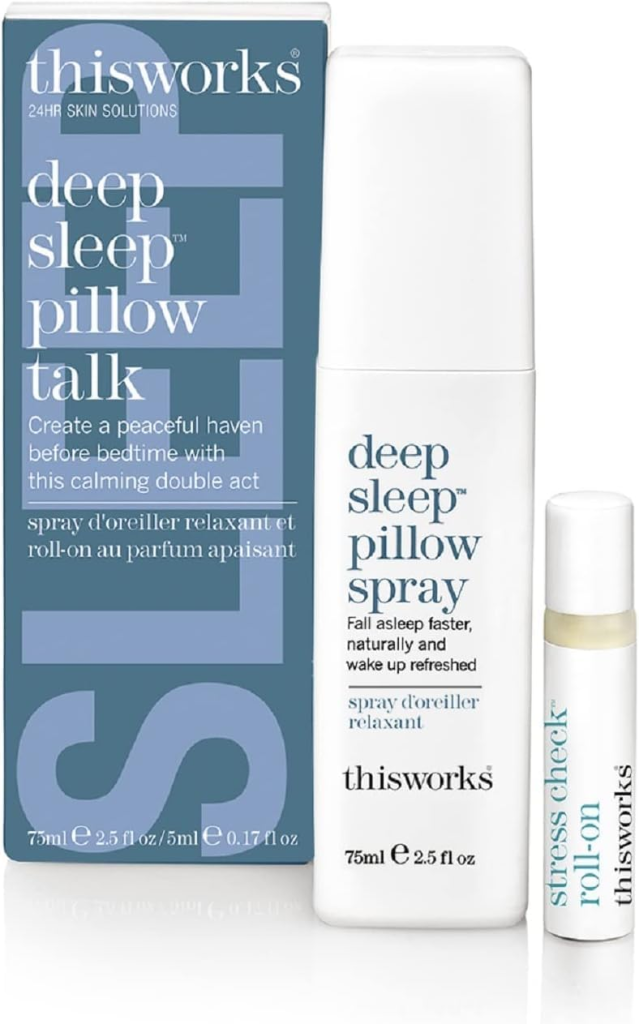
1) Thisworks Deep Sleep Pillow Spray
A scented pillow spray can mark the final step in a bedtime routine if fragrance already feels calming. The described blend includes lavender, vetiver and chamomile, but formulas can change and scent preferences are highly personal.
Use it deliberately: follow the current label about where and when to spray, begin lightly if the directions allow, and check that anyone sharing the room is comfortable with it. If fragrance feels irritating or distracting, this is not the right aid. Try the spray on its own before adding a diffuser so that the room does not become overwhelming.
This post contains affiliate links. If you buy through them, we may earn a commission at no extra cost to you. As an Amazon Associate I earn from qualifying purchases.
Buy on Amazon: Thisworks Deep Sleep Pillow Spray set
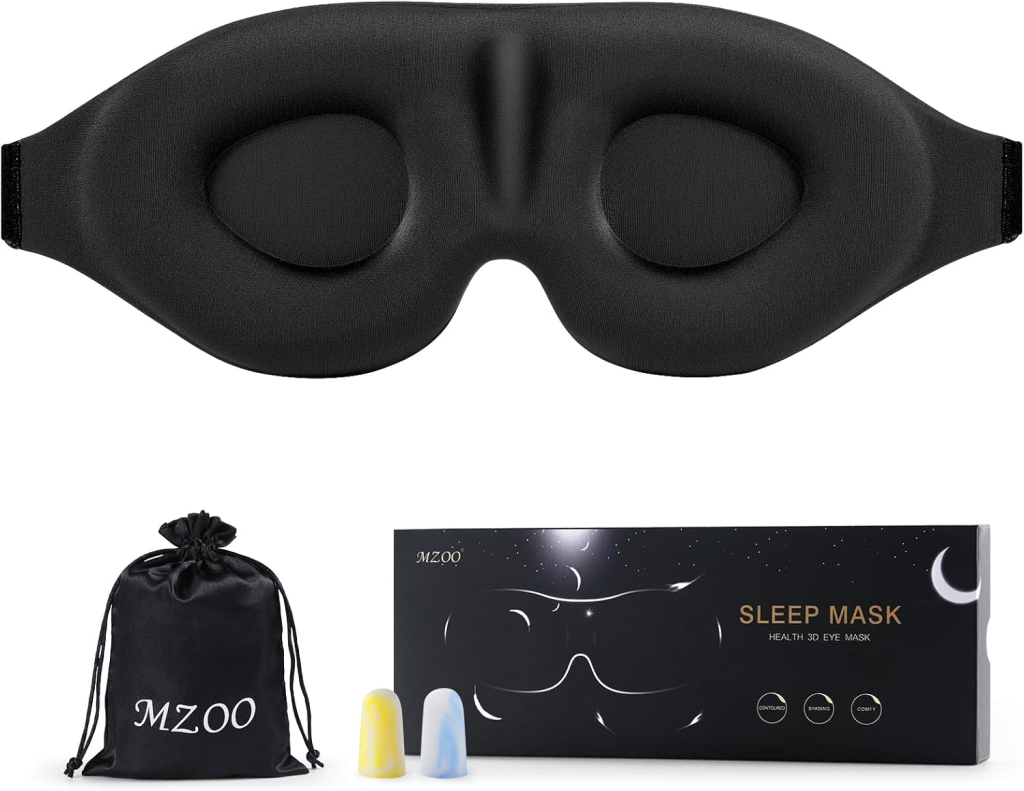
2) MZOO 3D Contoured Sleep Mask
A sleep mask directly addresses light from streetlamps, early dawn or another person’s screen. The MZOO design is contoured to leave space around the eyelids rather than pressing flat across the eyes.
- Adjust the strap so the mask blocks light without creating pressure around the eyes or head.
- Wear it briefly while awake to check the fit and whether it becomes hot or shifts when lying on your side.
- Clean it according to the manufacturer’s instructions, particularly if it is used every night.
A mask will not address noise or mental replay, so pair it with a non-product wind-down practice if thoughts rather than light are the main problem.
Buy on Amazon: MZOO sleep mask
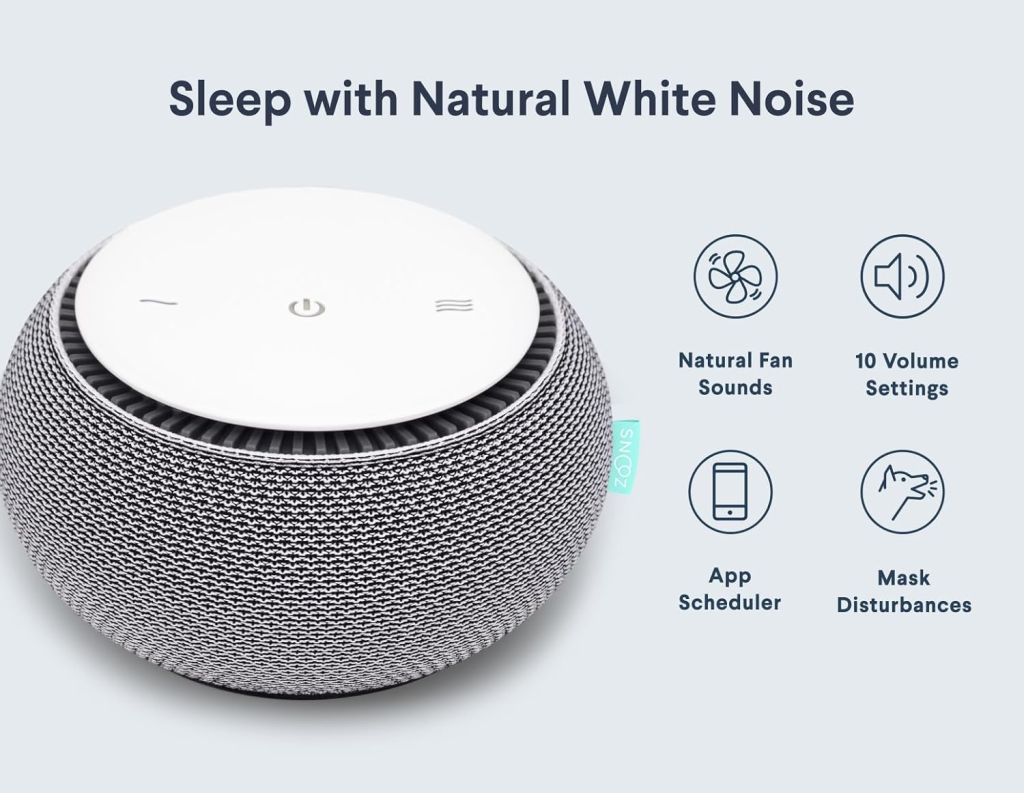
3) SNOOZ White Noise Sound Machine
Traffic, footsteps, doors and household activity are often more disruptive because they are intermittent. The SNOOZ machine provides a steady, fan-based sound without directing airflow at the sleeper, making changes in background noise less prominent.
Start at a low volume and raise it only enough to soften the distracting sounds. It should not be used to drown out the environment at an uncomfortable level, and required alarms or care-giving cues must remain audible. Turning it on shortly before bed can also help establish whether the sound is soothing or irritating before lights out.
Buy on Amazon: SNOOZ white noise machine
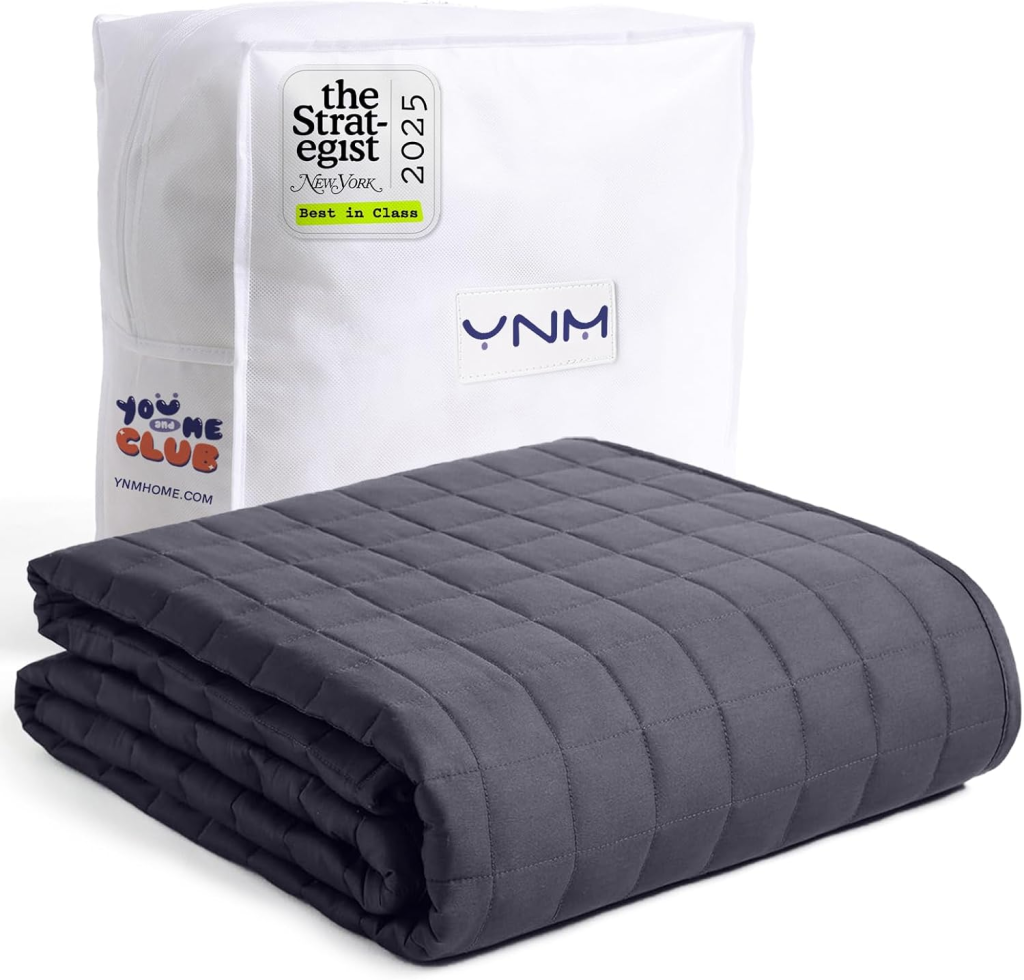
4) YnM Weighted Blanket
Some people find evenly distributed pressure containing and settling; others feel too warm or confined. When comparing YnM options, consider the blanket’s dimensions, total weight and fabric rather than choosing by weight alone.
The familiar suggestion of choosing roughly 10 per cent of body weight is only a starting point, not a rule for every body or circumstance. A lighter option may be more comfortable, and safe use matters more than following a formula.
- Choose a blanket that can be repositioned and removed without assistance.
- Keep it away from the head and neck, and stop using it if it feels restrictive.
- If a health or mobility issue could affect safe use, seek individual professional advice first.
Buy on Amazon:YnM weighted blanket
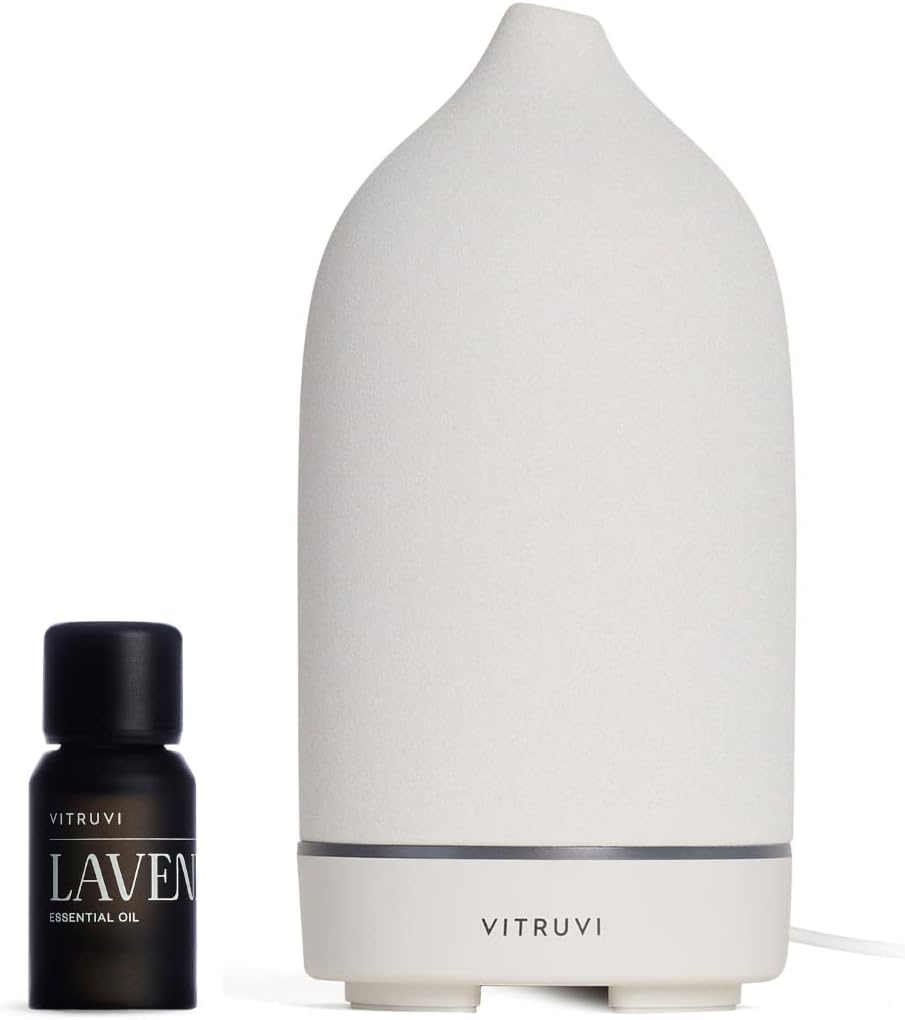
5) Vitruvi Stone Essential Oil Diffuser with lavender
A diffuser is a room-wide alternative to pillow spray. That wider spread may suit someone who enjoys a lightly fragranced room, but it can be too much for a scent-sensitive sleeper. Begin with either the spray or the diffuser rather than layering both.
Follow the current diffuser and oil instructions for water levels, quantities and run time. Check that the oil is appropriate for everyone sharing the space, including pets, and stop if the scent causes discomfort.
For readers who include crystals in a spiritual bedtime ritual, this guide can be treated as symbolic support rather than a sleep treatment: Top 10 Crystals for Protection and Grounding.
Review the Amazon listing for current product details. Use the current labels for your own diffuser and oil rather than assuming every oil or setting is suitable.
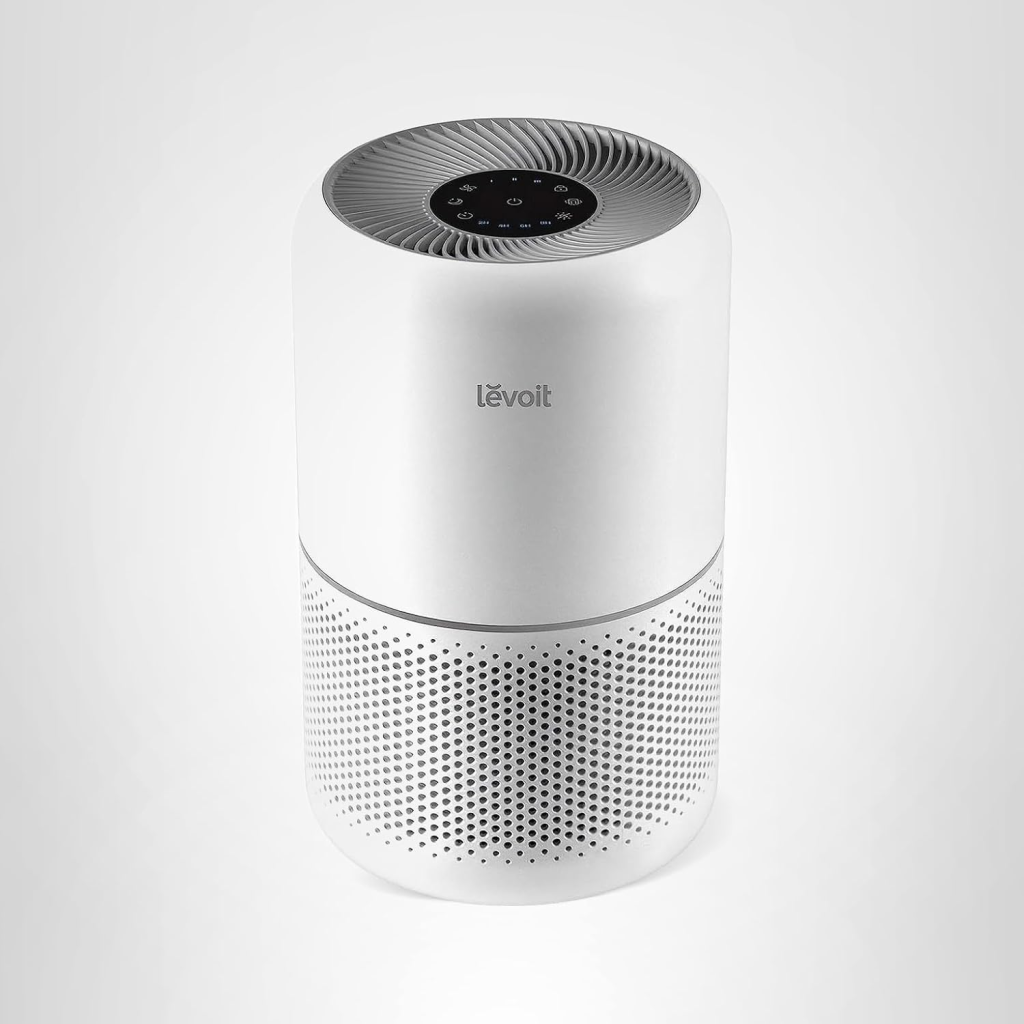
6) Levoit Core 300 Air Purifier
An air purifier is relevant when airborne particles are a genuine source of bedroom discomfort. The Levoit Core 300 draws air through a filter and has a sleep setting intended for quieter operation, although whether it feels quiet enough is a personal judgement.
This product has a practical environmental role; it does not clear emotional tension or guarantee better sleep. Its performance also depends on room size, placement and filter maintenance.
- Check that the model is suitable for the size of the bedroom.
- Leave the air intake and outlet unobstructed, following the placement instructions.
- Replace or maintain filters on the manufacturer’s current schedule.
Buy on Amazon: Levoit Core 300 air purifier
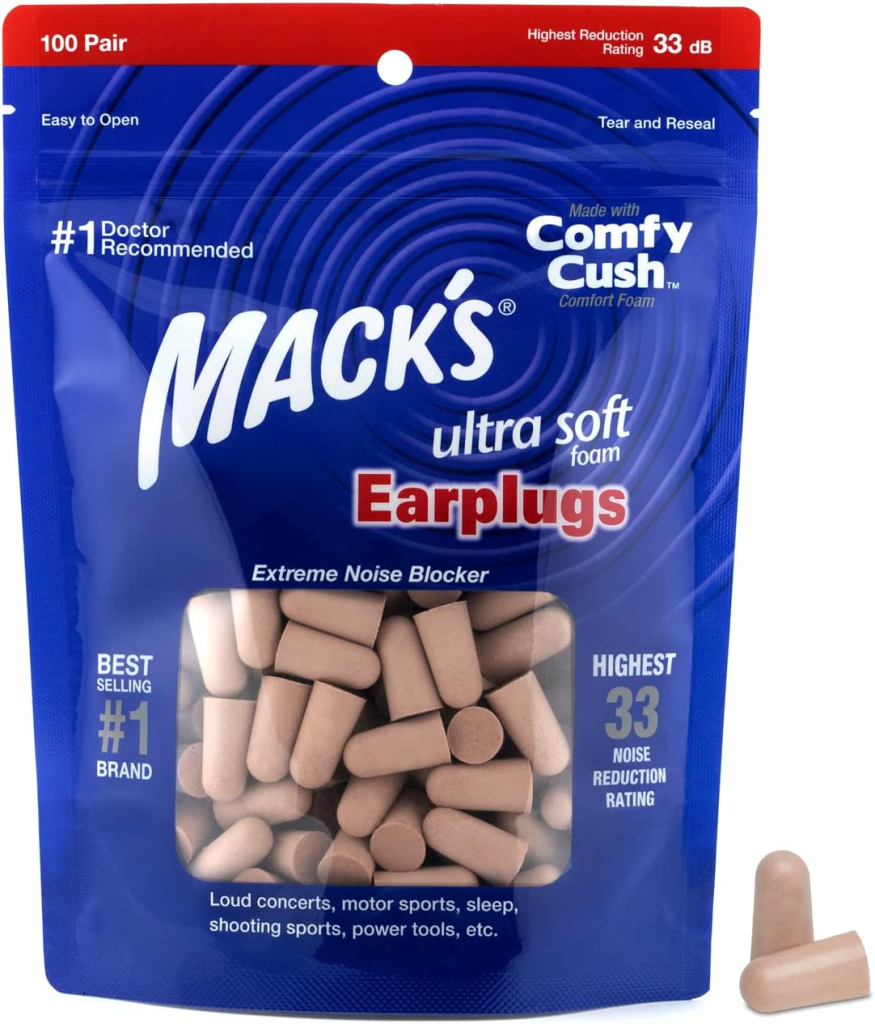
7) Loop Quiet or Mack’s Ultra Soft Foam Earplugs
Earplugs reduce sound at the ear rather than masking it. Loop Quiet offers a reusable option, while Mack’s provides a foam alternative. Comfort and fit are personal, so the better choice is the one that seals gently without pressure or pain.
Practise fitting them while awake and follow the package directions for insertion, cleaning and replacement. Use earplugs only when it is safe to reduce environmental sound. Avoid them if alarms, children, care-giving cues or other warnings must be heard, and be cautious about layering them with a sound machine.

Buy on Amazon: Loop Quiet earplugs
Buy on Amazon: Mack’s Ultra Soft earplugs
Lower the emotional input before bed
A product cannot create a boundary around late-night requests or unfinished conversations. Thirty minutes before bed, silence non-essential notifications and avoid beginning an emotionally loaded exchange that does not need an immediate response.
When someone starts a heavy conversation near bedtime, a usable boundary script is: “I care about this and want to give it proper attention. I’m winding down now; can we continue tomorrow at a time that works for both of us?”
A two-minute written closure can also stop concerns from becoming an open-ended mental task:
- Name what happened without analysing every detail.
- Write down one action that is genuinely yours to take.
- Park everything else for a specific time the next day.
For a related spiritual perspective, see Spiritual Awakening Symptoms.
Treat spiritual “signs” as reflection prompts rather than proof of awakening. Stress, disrupted routines and ordinary sensory factors can also affect sleep and deserve consideration.
For an optional symbolic bedtime practice, see Which Chakra Is Related to Sleep?. The guide distinguishes personal reflection from explanations for sleep difficulties.
An optional aura practice can be kept symbolic: picture a boundary around the sleeping space, name which concerns are yours to act on, and imagine placing the rest outside the door until morning. The purpose is to direct attention, not to establish that energy has been transferred.
A simple 30-minute empath bedtime routine
Use this as a template rather than a checklist. Selecting every product at once can make it difficult to tell what helps and may create more sensory input.
- 30 minutes before bed: dim the lights, silence non-essential notifications and decide which one environmental issue needs attention. Switch on the purifier or sound machine only if it matches that issue.
- 20 minutes before bed: write down any unfinished task or conversation. If fragrance is part of the routine, use either the pillow spray or diffuser according to its directions.
- 10 minutes before bed: choose a short exercise from Empath Grounding Rituals, or use a non-spiritual alternative such as noticing the support of the floor, chair or bed beneath the body.
- At lights out: use the mask if light is the problem, earplugs or the sound machine if noise is the problem, and the weighted blanket only if pressure feels comfortable. Keep necessary alarms audible.
If slow breathing feels comfortable, take several unforced breaths with the exhale slightly longer than the inhale. Return to ordinary breathing if counting or controlling the breath feels unpleasant.
Safety limits and when to seek help
- Follow current product instructions rather than relying on a general routine in an article.
- Use fragrance products sparingly and stop if they cause irritation or discomfort.
- Only use a weighted blanket that can be removed independently, and never place it over the head or neck.
- Keep alarms and essential care-giving cues audible when using earplugs, a mask or a sound machine.
- Maintain an air purifier and leave its airflow openings clear as directed.
No oral medicine or supplement is included among these seven options. Do not add an over-the-counter sleep product or herbal preparation simply because an environmental aid has not helped; a pharmacist or healthcare professional can advise on suitability and possible interactions.
If sleep problems persist, worsen or interfere with daytime life, seek personalised professional support. A spiritual interpretation can coexist with appropriate assessment, but it should not replace it.
Choose the aid by the obstacle
- Unwanted light: MZOO sleep mask.
- Intermittent noise that needs masking: SNOOZ sound machine.
- Noise that needs reducing at the ear: Loop Quiet or Mack’s earplugs.
- A preference for gentle pressure: YnM weighted blanket.
- A local scent cue: Thisworks pillow spray.
- Room-wide fragrance: Vitruvi diffuser.
- Concern about airborne particles: Levoit air purifier.
Change one variable at a time and note whether it improves comfort, settling or overnight interruptions. If an aid is uncomfortable or has no useful effect, stop using it rather than automatically adding more products.

This article offers general wellbeing education and spiritual reflection. It is not medical or mental health advice, and a spiritual interpretation should not replace professional assessment. Seek qualified support for persistent fatigue, pain, sleep disruption, anxiety, low mood or other symptoms that concern you.
Cite or share this page
Want to reference this guide? Please link to the canonical page rather than copying the article.