

Empath Support
Feeling drained by people, overwhelmed by emotions, or unsure where your boundaries should begin? This empath support hub helps you start with what you are actually experiencing today, then move into grounded guides on emotional sensitivity, recovery, boundaries, social overload and everyday empath life.
You do not need to read everything. Choose the situation that feels closest, use one starting guide, and come back when you want to explore another part of the hub.
What do you need right now?
Choose the closest option. You can always come back and take a different route later.
 01
01Understanding Empaths
Understanding empaths starts with separating the experience of emotional sensitivity from assumptions about what the label must mean. These empath support guides explore common empath traits, the difference between an empath and a highly sensitive person, and why some people notice tone, tension, mood and social cues very quickly.
Start here if you are trying to make sense of your sensitivity without turning every strong feeling into a diagnosis or a supernatural certainty.

What Is an Empath? 5 Signs You May Be Highly Sensitive
An empath is someone who believes they experience other people's emotions more deeply than most. While "empath" is not a recognized medical or psychological diagnosis, many people use the term…
Read the featured guide →
Highly Sensitive Person vs Empath: What’s the Difference and Why It Matters
A highly sensitive person is someone with a researched temperament trait called sensory processing sensitivity, meaning they process emotional, sensory, and environmental input more deeply; an empath is generally described…
Read guide →
Books for Empaths | 5 Transformative Reads
The best books for empaths offer practical strategies, personal insights, and mindfulness techniques to help highly sensitive people understand their emotions, establish healthy boundaries, and avoid emotional overwhelm. Whether you're…
Read guide →
The 10-Minute Empath Reset After Socializing
A 10-minute empath reset after socializing can help you clear emotional overload, calm your body, and return to your own energy before the drained feeling settles in. Empaths often need…
Read guide →
Why Empaths Need More Alone Time Than Most People
Empaths often need more alone time because they process emotional, social, and sensory information deeply. A normal day of conversations, messages, work stress, family needs, noise, and other people’s moods…
Read guide →Explore 3 more Understanding Empaths guides
 02
02Protection and Boundaries
Empath boundaries are practical limits around your time, attention, availability and emotional responsibility. This section brings together grounded guides for saying no, protecting your energy in everyday terms, preparing for demanding family situations and caring about other people without automatically taking responsibility for their feelings.
If you often leave conversations feeling guilty, overextended or responsible for fixing someone else’s mood, this is the place to start building clearer limits.

Empath Boundaries: How to Protect Your Peace Without Feeling Guilty
Empath boundaries are the emotional, mental, and personal limits that help sensitive people care deeply without carrying responsibilities, emotions, or problems that do not belong to them. If you constantly…
Read the featured guide →
How To Protect Your Energy Before A Family Gathering
To protect your energy before a family gathering, decide your limits before you arrive, ground your body, and remind yourself that you do not have to absorb every mood, opinion,…
Read guide →
Is Setting a Boundary the Same as Pushing Someone Away?
A boundary is a clear limit around what you can offer, tolerate or take part in. Learn how to distinguish a caring boundary from avoidance, use practical scripts and recognise…
Read guide →
9 Best Empath Tools to Protect Your Energy
Empath tools are everyday products and practices that may help people who identify as empaths manage emotional overwhelm, sensory input and self-care. They cannot block or remove another person’s emotions,…
Read guide →
Spiritual Protection for Empaths: A Practical Guide
Spiritual protection for empaths isn’t just helpful—it’s essential when your energy feels like an open door to everyone else’s emotions. Being an empath means walking through the world deeply attuned,…
Read guide →Explore 7 more Protection and Boundaries guides
 03
03Burnout and Recovery
Empath burnout and emotional overload can describe the exhaustion that builds when stress, social demands, poor boundaries, over-responsibility and too little recovery time pile up. These guides focus on recognising when your capacity is running low, recovering after draining interactions and making rest more practical instead of waiting until you are completely depleted.
Start here when you feel worn down, need longer to recover after people, or keep pushing through even when your energy and attention are already stretched.

Empath Burnout: Signs, Causes and Recovery
“Empath burnout” is not a recognised medical or psychological diagnosis. It is an informal phrase some people who identify as empaths use to describe ongoing emotional exhaustion, overwhelm or reduced…
Read the featured guide →
12 Emotional Overload Symptoms Your Body Feels First
Emotional overload symptoms often appear in your body before you fully recognize what's happening emotionally. You might feel unusually tired, struggle to concentrate, experience muscle tension, or find it difficult…
Read guide →
The Empath Hangover | Why You Crash After Seeing Certain People
“Empath hangover” is an informal phrase some people use to describe feeling mentally or physically tired after prolonged, intense or demanding social interaction. It is not a medical or psychological…
Read guide →
Empath Sleep Problems | How Sensitive People Can Sleep More Peacefully
Empath sleep problems often involve racing thoughts, emotional replay, sensory overload, or difficulty settling after an intense day. People who identify as empaths may feel especially affected after conflict, socializing,…
Read guide →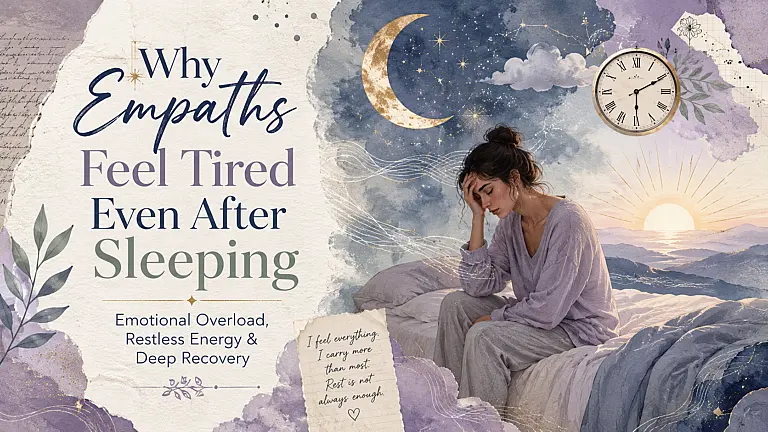
Why Empaths Feel Tired Even After Sleeping
Empaths may feel tired even after sleeping because rest is not always the same as recovery. You might sleep for seven or eight hours, but if your nervous system stayed…
Read guide →Explore 7 more Burnout and Recovery guides
 04
04Empath Life in the Real World
Everyday empath life is often less about labels and more about what happens after phone calls, crowded places, social events, family demands and difficult interactions. These guides focus on practical recovery, communication and making ordinary situations less draining.
Start here when your sensitivity shows up most clearly in day-to-day situations.

Replaying Conversations After Socializing: 5-Minute Reset
Replaying conversations after socializing is often your mind's attempt to answer questions that the conversation left open. Did I talk too much? Did that joke sound rude? Why did their…
Read the featured guide →
Why Phone Calls Feel More Draining Than Texting
Phone calls require real-time attention, quick responses and emotional presence, which can make them feel far more tiring than text. Learn what may be draining you and how to make…
Read guide →
Empath Parenting Survival Guide
Empath parenting is an approach to raising children while recognizing your own high sensitivity and emotional awareness. Parents who identify as empaths often describe feeling deeply affected by their children's…
Read guide →
Spiritual Bedtime Routine | 9 Calming Rituals
A spiritual bedtime routine is a collection of intentional practices that help you release the day, calm your mind, process emotions, and create a sense of peace before sleep. Unlike…
Read guide →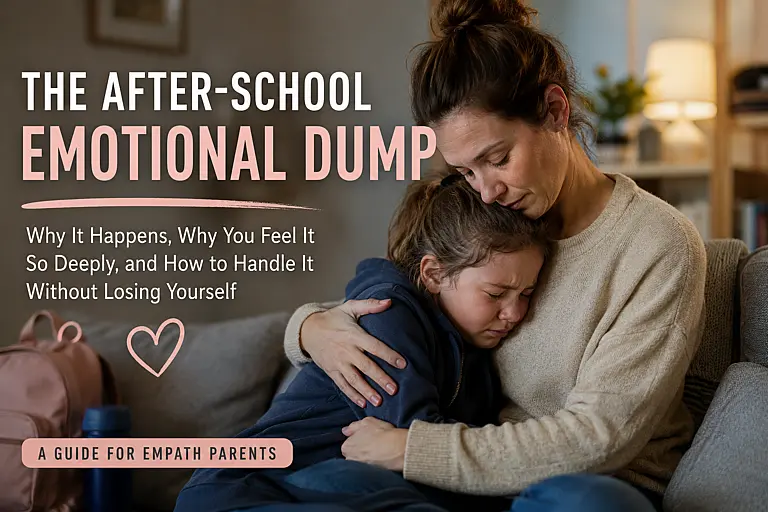
After School Emotional Dump | Why Kids Melt Down at Home
An after-school emotional dump is a common experience where children release the emotions they've been holding in throughout the school day once they return to the safety of home. This…
Read guide →Explore 2 more Empath Life in the Real World guides
 05
05Empath Parenting
Parenting can leave very little quiet space between other people’s needs and your own. These empath parenting guides focus on after-school emotional spillover, end-of-day exhaustion, family boundaries and small ways to recover when you are trying to stay present without absorbing every demand around you.
This section is for parents who want practical ways to lower the emotional load without pretending that family life can always be calm or perfectly regulated.

Empath Parent Morning Shielding Routine
An empath parent morning shielding routine is a series of intentional practices designed to help highly sensitive parents begin the day feeling calm, centered, and emotionally grounded. These routines often…
Read the featured guide →
How to Stop Absorbing Your Child’s Emotions
Learning how to stop absorbing your child's emotions starts with recognizing the difference between empathy and emotional over-identification. While it's natural to care deeply about your child's feelings, constantly taking…
Read guide →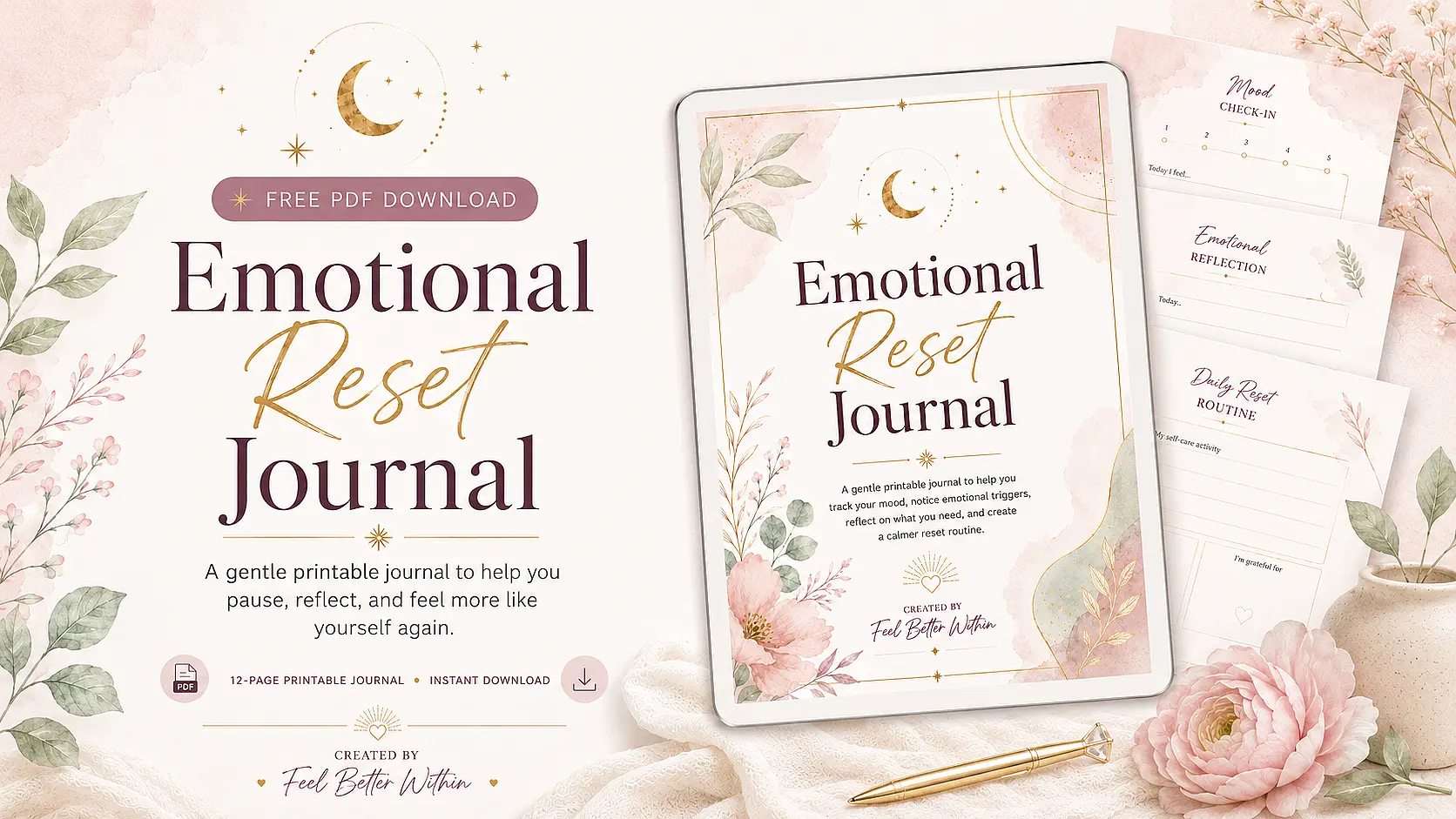
Free Emotional Reset Journal
Need something practical before you read another guide? Use the free Emotional Reset Journal to pause, name what happened, notice what you need, and choose one calmer next step.
Open the resource →Choose one useful next step.
You can always return to this hub when you want to explore another part of the topic.
Back to the top ↑