

No crystal has been scientifically shown to shield an empath, remove another person’s emotions or heal the nervous system. Black Tourmaline, Amethyst, Labradorite, Smoky Quartz, Selenite, Hematite and Fluorite can still “work” as symbolic tools: each can prompt a distinct action, such as pausing, checking an assumption, setting a boundary or beginning an optional spiritual ritual.
The associations below come from crystal-healing and spiritual traditions, not established physical effects. People who identify as empaths may be especially alert to changes in tone, expression or atmosphere. Stress, sensory load, concern for others, limited rest and previous experiences can all influence how someone feels after a crowd or conflict; that experience does not prove emotions or energy were literally absorbed.
Turn “energy protection” into an action
If energy protection is meaningful spiritual language for you, keep it while also translating it into practical questions:
- What changed in my mood, thoughts or body?
- What did I observe, and what am I assuming?
- What limit, conversation or recovery step would help now?
A stone cannot read another person’s intentions or make an unsafe situation safe. It can remind you to shorten a conversation, take a quiet break, decline an unreasonable request or seek appropriate support.
1. Black Tourmaline: a cue for clear limits
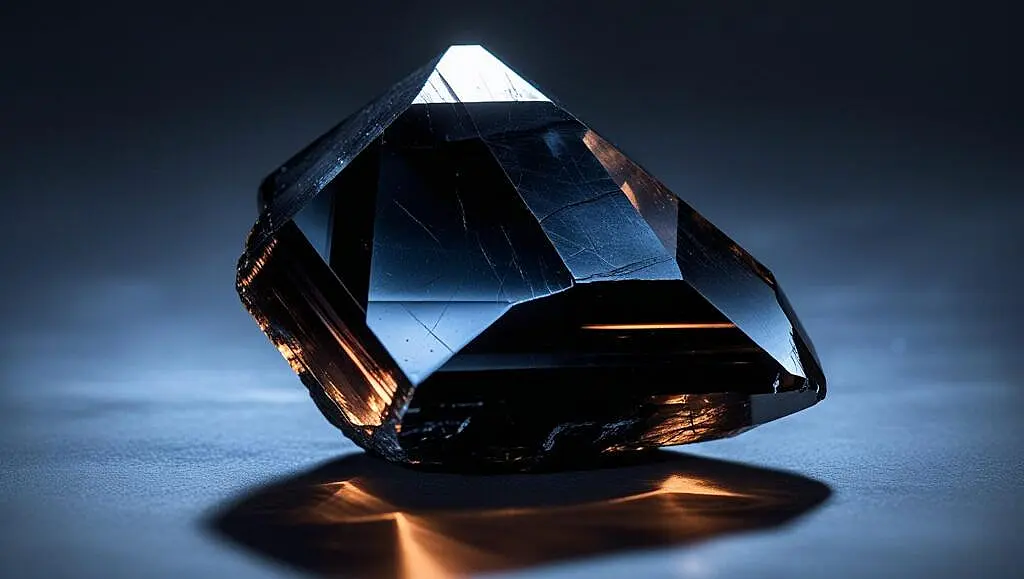
Black Tourmaline symbolises protection and connection to the earth in many modern crystal practices. The phrase repel toxic vibes is best understood as spiritual shorthand, not evidence that the stone blocks emotions, electromagnetic fields or difficult people.
Before entering a crowded gathering, choose one specific limit: stay for an hour, take a break outside or decline to mediate a family dispute. Placed by the front door, the stone can remind you of that plan as you leave and when you return.
2. Amethyst: a prompt to leave overstimulation behind
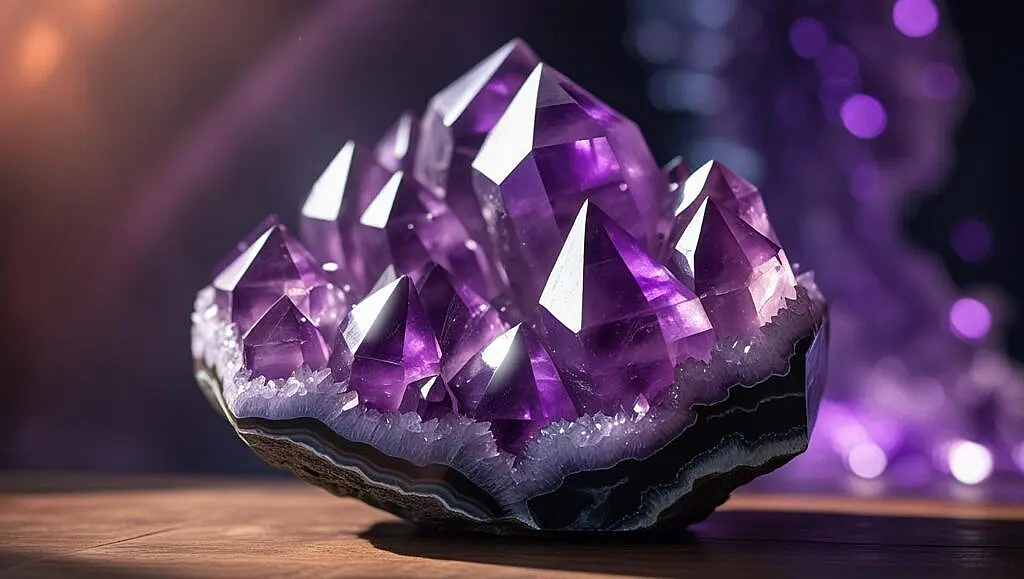
Amethyst is associated with calm, spiritual clarity and protection. It does not guarantee sleep or stop repetitive thoughts, but it can mark a deliberate transition from activity to rest.
As part of a wind-down routine, place it somewhere secure, take three unhurried breaths, write down one concern and one next step, then close the notebook. If that helps, the routine is providing an observable benefit even if no energetic explanation can be established.
Optional wearable reminder: The Amethyst Healing Pendant can act as a prompt; “healing” in a product name should not be read as a medical claim.
3. Labradorite: a reminder to state the boundary
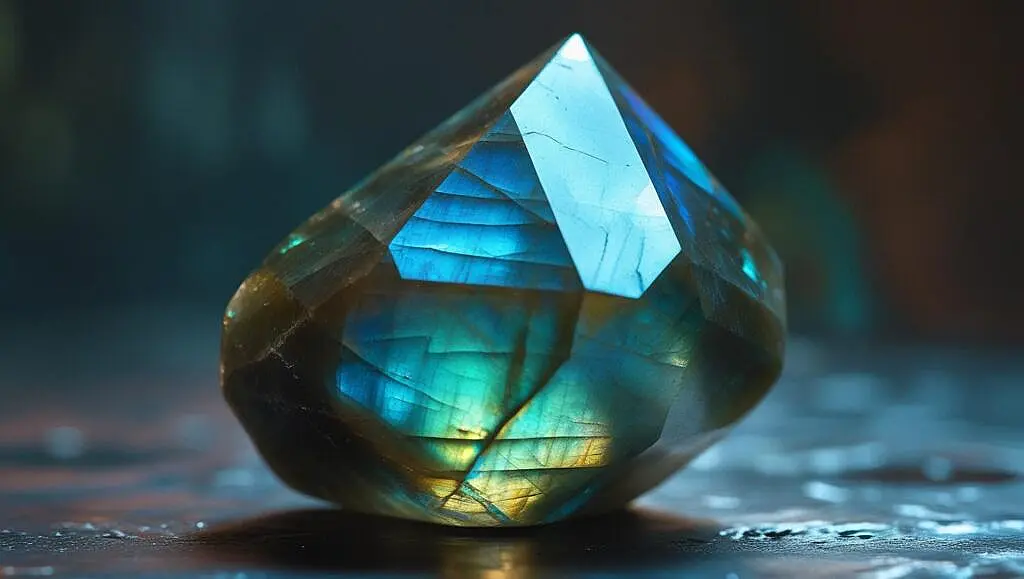
Labradorite is often used as an “aura shield” in spiritual practice. Treat the mirror imagery metaphorically: the stone cannot return another person’s projections or determine what they intend.
Before an emotionally loaded conversation, decide what you can offer. A usable script is: “I can listen for ten minutes, but I can’t take responsibility for fixing this. After that I need to step away.” Hold or notice the stone when you need to remember those words.
Optional palm stone: Labradorite Palm Stone for Aura Shielding. Here, “aura shielding” describes the spiritual intention, while the spoken limit does the practical work.
4. Smoky Quartz: a cue for an honest debrief
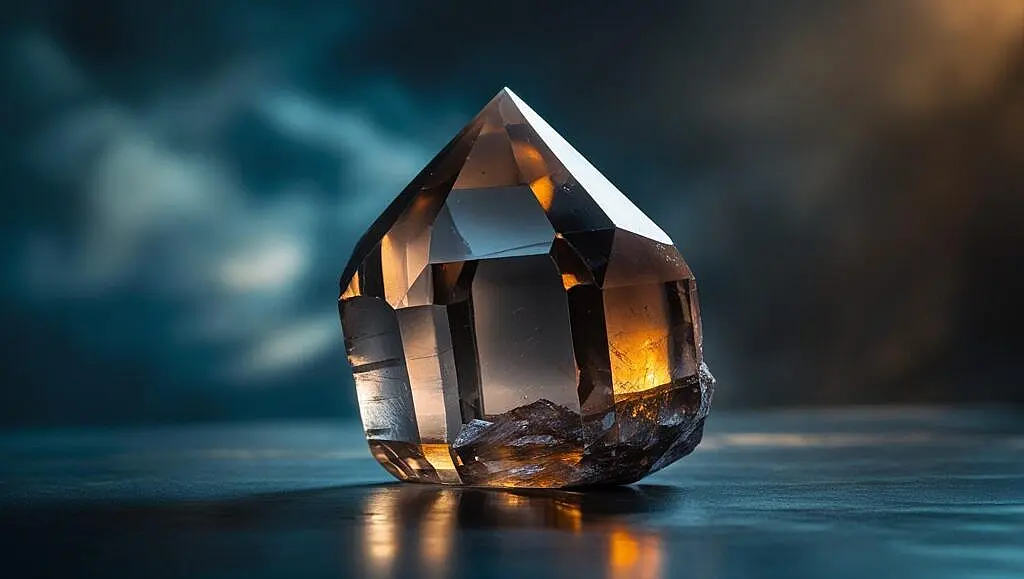
Smoky Quartz represents release and steadiness in crystal traditions. Rather than assuming a low mood is emotional residue from someone else, use the stone to begin a short debrief after conflict or demanding social time.
- What happened that an observer could verify?
- What am I feeling, and what may have contributed—conversation, noise, hunger, tiredness or worry?
- What would help next: quiet time, food or water, a clear message or ending the interaction?
The Smoky Quartz Stretch Bracelet can serve as a wearable cue for this check-in, rather than as a detoxification tool.
For a broader overview of traditional associations, see Top 10 Crystals for Protection and Grounding. Apply the same distinction between symbolism and proven effect.
5. Selenite: a marker between activities
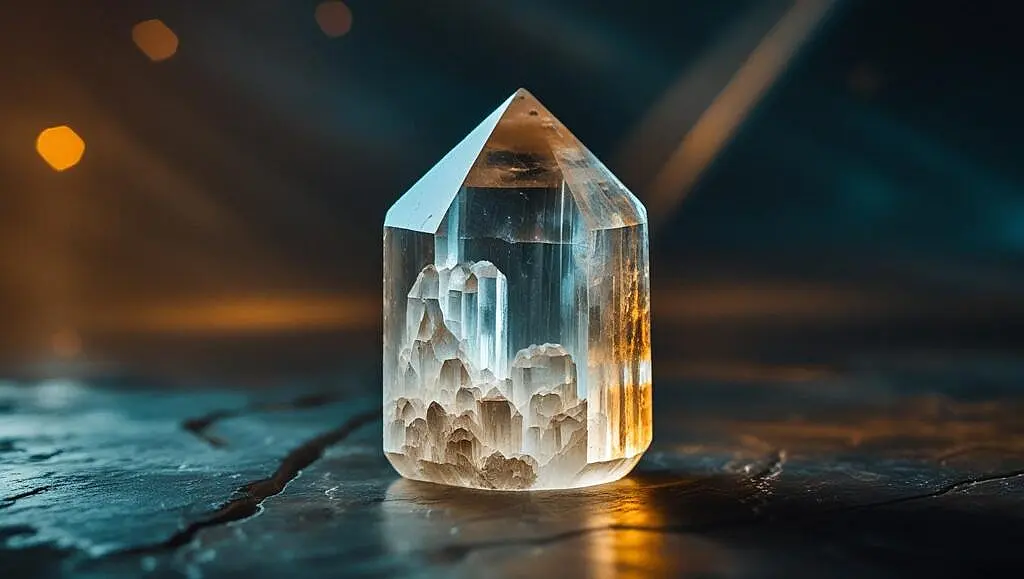
Selenite is associated with purification and clarity. It does not literally lift spiritual debris or clean digital energy, but it can mark the end of one activity and the beginning of another.
After a difficult conversation or workday, set the object on your desk, close your apps, write down any unfinished task and move to a different room or activity. In spiritual practice, moving a wand around the body may be used as a visualisation ritual; keep its meaning symbolic.
Optional ritual object: Selenite Wand for Aura Brushing. “Aura brushing” is an optional spiritual practice, not physical cleansing of the body.
Check whether the cue genuinely helps
Choose one stone and pair it with one concrete behaviour for a week. Record the situation, the action you took, how you felt before and afterwards, and what else changed. This cannot test invisible energy, but it can show whether the cue improves your routine.
The Crystal Journal can provide structure, although an ordinary notebook also works. If you notice no clear benefit, you do not need to force a connection or buy another stone.
6. Hematite: a tactile focus point
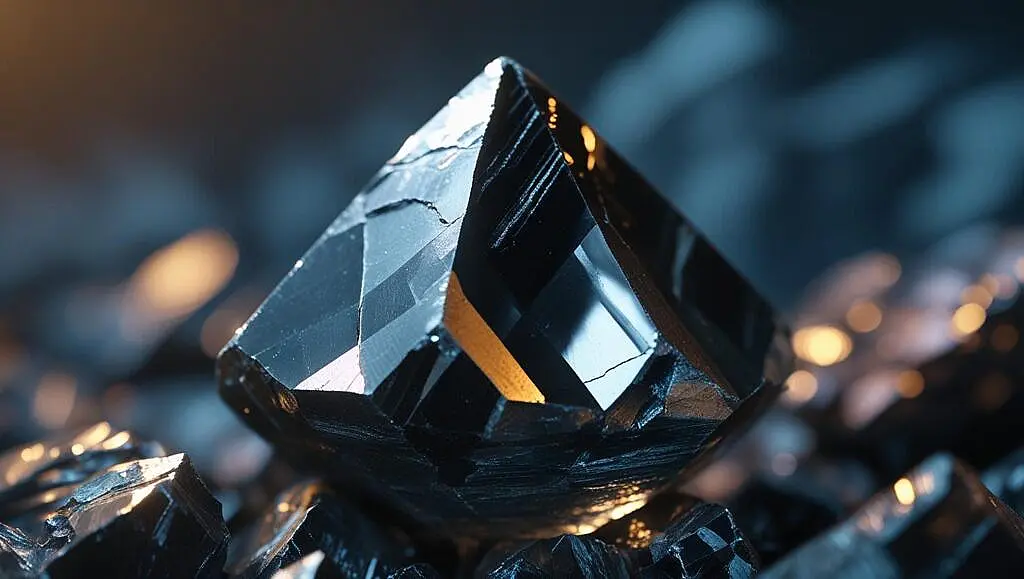
Hematite is traditionally linked to grounding. A polished piece offers an obvious sensation of weight, temperature and texture, but it should not be credited with stabilising an aura or nervous system.
Before a group meeting or after an emotionally loaded call, notice the stone’s physical qualities, feel both feet against the floor, identify three neutral objects in the room and then choose your next action. This brings attention to the present without treating the stone as a remedy.
Optional tactile cue: Hematite Worry Stones for Grounding.
7. Fluorite: a prompt to separate facts from interpretations
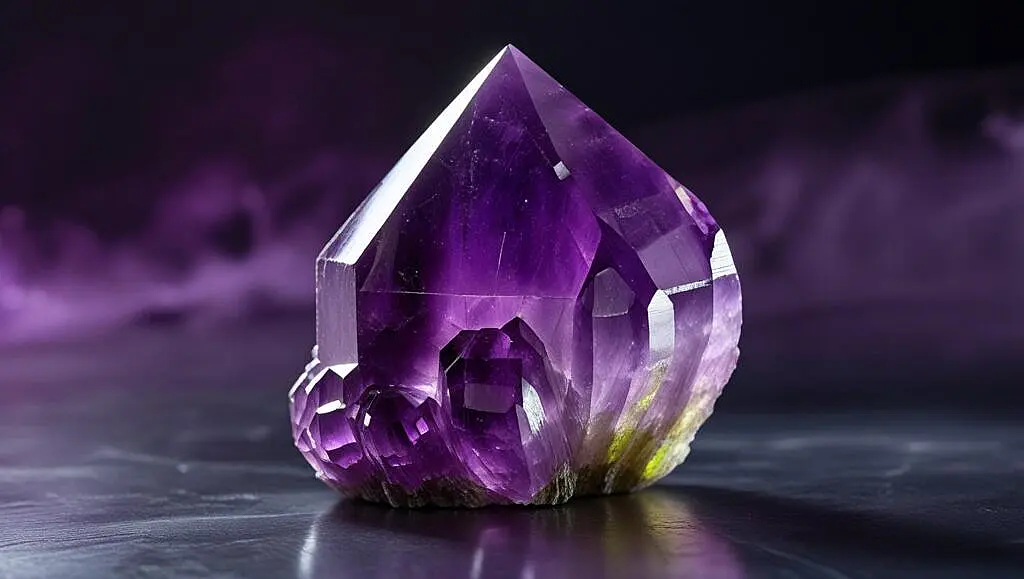
Fluorite symbolises order, discernment and emotional boundaries. It cannot filter another person’s energy or act as an infallible internal compass. Use it to prompt a distinction among facts, interpretations and needs.
For example, imagine that a colleague sends a one-word reply. The fact is that the reply was brief. The interpretation might be, “They are angry with me.” The useful next step is to wait for more information or ask a neutral question. This prevents sensitivity from being mistaken for certainty about someone else’s thoughts.
Keep it on your desk as a visual cue to perform that check before replying. One option is the Rainbow Fluorite Tower for Emotional Boundaries.
If recurring triggers need further reflection, shadow journaling for beginners offers a structured starting point. Treat any insights as possibilities to examine, not proof of hidden motives.
Care for the stone and reset the ritual
Physical cleaning and spiritual “cleansing” are different. Follow the care instructions for the specific mineral or piece of jewellery before using water, salt, direct sunlight or cleaning products.
If a symbolic reset matters to you, choose one simple ritual:
- Place the stone on a selenite plate as an intentional pause.
- Leave it in moonlight while setting your next intention.
- Use sound from a singing bowl or tuning fork nearby.
- Visualise golden light washing over it.
These practices may renew your attention or the meaning you give the object; there is no evidence that they recharge a measurable force, and there is no required schedule. A stone feeling “heavy” is not proof that it has collected energy.
Learn how to cleanse crystals without sage for smoke-free ritual ideas.
Common questions about using crystals
Which one is best for a sensitive person?
There is no objectively best stone. Choose according to the action you want to remember: Black Tourmaline for a limit, Labradorite for a boundary statement, Smoky Quartz for reflection or Fluorite for checking assumptions.
Can I sleep with one nearby?
You can keep a stone nearby if it is positioned securely and the ritual feels restful. No particular crystal has been proven to improve sleep, and heavy, sharp or breakable objects should not be kept loose in the bed.
Do crystals need to be charged every month?
No evidence-based charging schedule exists. You can reset an intention whenever doing so feels meaningful; daily or monthly cleansing is not required for effectiveness.
Can crystals replace therapy or personal boundaries?
No. They may support reflection or spiritual meaning, but they cannot assess symptoms, change another person’s behaviour or communicate a limit on your behalf.
Related reading on sensitivity and spiritual practice
These articles use a mix of practical and spiritual frameworks. Treat any symptom-based or intuitive interpretation as a prompt for reflection, not confirmation of awakening, energetic transfer or another person’s thoughts.
- Spiritual Awakening Headaches Can Feel Physically Intense
- Spiritual Protection for Empaths: A Practical Guide
- Meditation for Empaths Who Can’t Sit Still
- Empath Burnout: Signs, Causes and Recovery
- Moon Signs and Emotional Absorption: Protect Energy by Element & Archetype
Let the crystal represent the boundary
Sensitivity is not a flaw, but it does not require you to carry every feeling or solve every conflict. A crystal can represent compassion, sacred intention or connection to a spiritual tradition. The protective step is still the one you can take: pause, check the evidence, state a limit, leave, rest or ask for help.
You do not have to decide that a feeling came from someone else’s energy before letting it pass. Keep practices that make you more present and discerning; set aside any that create fear, certainty about other people’s inner lives or avoidance of practical action.
Record what genuinely supports you
If structured reflection is useful, the Crystal Journal has space to organise stones, note intentions and record what you observe. Recording context as well as mood makes patterns less easy to overinterpret.
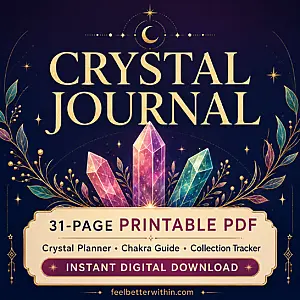
Download the Crystal Journal from Feel Better Within if you want a template for this practice.

This article offers general wellbeing education and spiritual reflection. It is not medical or mental health advice, and a spiritual interpretation should not replace professional assessment. Seek qualified support for persistent fatigue, pain, sleep disruption, anxiety, low mood or other symptoms that concern you.
Cite or share this page
Want to reference this guide? Please link to the canonical page rather than copying the article.