

Start Here
You do not need to understand the whole website before you begin. Start with the thing that feels heaviest right now, and this page will point you toward a small group of guides that match that situation.
One useful page is better than opening ten tabs. Pick the closest option, try one next step, then explore further only if it helps.
What do you need right now?
Choose the closest option. You can always come back and take a different route later.
 01
01Drained After People
If social time leaves you flattened, irritable or needing far more recovery than you expected, start with the guides in this section. They focus on what made the interaction demanding and how to recover without treating sensitivity as a diagnosis.
Best when the main problem is what happens after contact with other people.

Why Do I Feel Drained After Being Around Certain People?
You may feel drained after being around certain people because your body, emotions, and nervous system are reacting to the weight of the interaction. Some people leave you feeling calm,…
Read the featured guide →
The Empath Hangover | Why You Crash After Seeing Certain People
“Empath hangover” is an informal phrase some people use to describe feeling mentally or physically tired after prolonged, intense or demanding social interaction. It is not a medical or psychological…
Read guide →
Why Empaths Need More Alone Time Than Most People
Empaths often need more alone time because they process emotional, social, and sensory information deeply. A normal day of conversations, messages, work stress, family needs, noise, and other people’s moods…
Read guide →
The 10-Minute Empath Reset After Socializing
A 10-minute empath reset after socializing can help you clear emotional overload, calm your body, and return to your own energy before the drained feeling settles in. Empaths often need…
Read guide →Explore 8 more Drained After People guides
 02
02Overthinking an Interaction
If your mind keeps reviewing what you said, how you sounded or whether someone is upset with you, use this section to interrupt the replay and decide whether anything actually needs repairing.
Best when the social event is over but your mind has not finished with it.
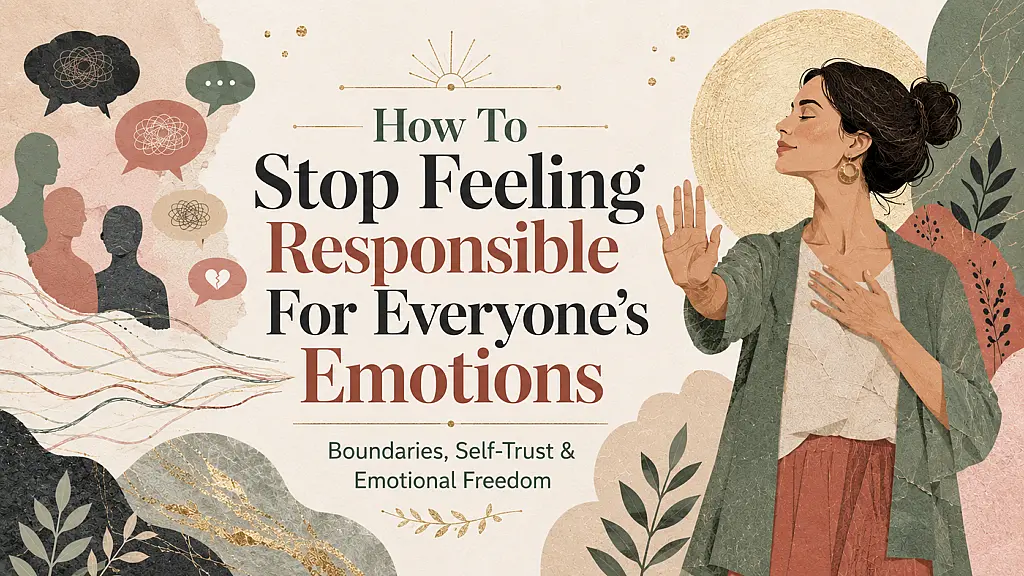
How To Stop Feeling Responsible For Everyone’s Emotions
To stop feeling responsible for everyone’s emotions, you need to separate caring from carrying. You can be kind, loving, intuitive, and supportive without making yourself the emotional manager of every…
Read the featured guide →
How To Recover After Spending Time With A Narcissist
To recover after spending time with a narcissist or someone with narcissistic patterns, start by calming your body before trying to make sense of the conversation. These interactions can leave…
Read guide →
Grounding Techniques for Overthinkers | 7 Easy Ways
Grounding techniques for overthinkers are simple exercises that help shift your attention away from racing thoughts and back to the present moment. Whether you're caught in a cycle of worry,…
Read guide →
How To Stop Overthinking Every Spiritual Sign
To stop overthinking every spiritual sign, slow down, stay grounded, and remember that not every number, dream, feeling, coincidence, or body sensation needs an urgent meaning. Spiritual signs can feel…
Read guide →Explore 8 more Overthinking an Interaction guides
 03
03Boundary Guilt
If saying no makes you feel selfish, harsh or responsible for another person’s disappointment, start here. These guides focus on clearer boundaries, shorter explanations and the difference between caring about someone and managing their reaction for them.
Best when you know you need a limit but guilt keeps undoing it.

Empath Boundaries: How to Protect Your Peace Without Feeling Guilty
Empath boundaries are clear limits around your time, attention, emotional labour, privacy and availability. They help a sensitive person care without taking ownership of every problem or mood around them.…
Read the featured guide →
Spiritual Protection for Empaths: A Practical Guide
Spiritual protection for empaths works best as a calm, repeatable process: prepare before social contact, stay aware of your choices during it, reset when you return home and close the…
Read guide →
How To Protect Your Energy Before A Family Gathering
To protect your energy before a family gathering, decide your limits before you arrive, ground your body, and remind yourself that you do not have to absorb every mood, opinion,…
Read guide →
How Do Empaths Protect Themselves From Narcissists?
Empaths protect themselves from narcissists by recognizing manipulation early, setting firm boundaries, trusting actions over words, and prioritizing their emotional wellbeing. Healthy relationships are built on mutual respect—not one person…
Read guide →Explore 8 more Boundary Guilt guides
 04
04Noise, Crowds and Overload
Busy environments can be tiring when you are processing noise, movement, social expectations and constant interruptions at the same time. These guides focus on lowering input, recovering afterwards and recognising when you have simply had enough for one day.
Best when the environment itself feels like too much.

12 Emotional Overload Symptoms Your Body Feels First
Emotional overload symptoms often appear in your body before you fully recognize what's happening emotionally. You might feel unusually tired, struggle to concentrate, experience muscle tension, or find it difficult…
Read the featured guide →
What Is Shadow Work? A Beginner’s Guide
Shadow work is the practice of exploring the hidden parts of yourself—such as suppressed emotions, limiting beliefs, fears, and behavioral patterns—to develop greater self-awareness and emotional growth. The concept originates…
Read guide →
Shadow Work Journal Prompts for Beginners
Shadow work journal prompts are reflective questions designed to help you explore hidden thoughts, emotions, beliefs, and behavioral patterns that you may not consciously recognize. Inspired by the psychological concept…
Read guide →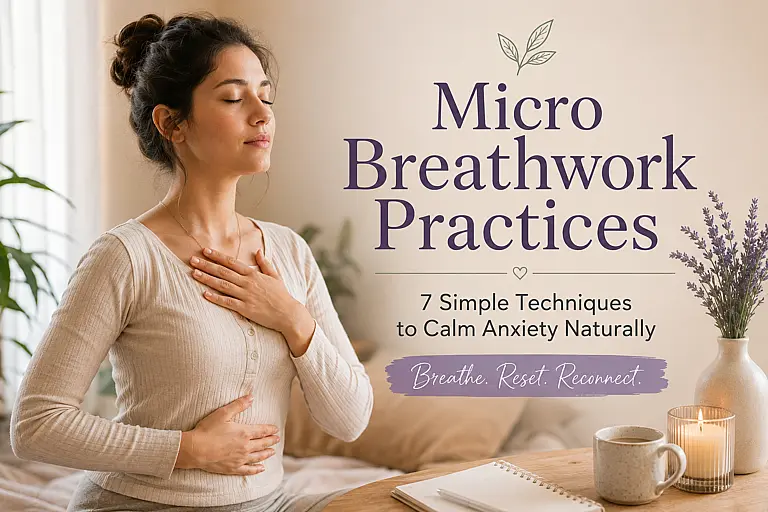
Micro Breathwork Practices: 7 Simple Techniques
Micro breathwork practices are short breathing exercises that can be completed in as little as 30 seconds to five minutes to help reduce stress, improve focus, and promote a greater…
Read guide →Explore 8 more Noise, Crowds and Overload guides
 05
05Parenting Overload
Parenting can make it difficult to find a clear edge between everyone else’s needs and your own capacity. This section focuses on after-school spillover, bedtime exhaustion and small recovery practices that fit around family life.
Best when you are trying to stay present for your family without running on empty.

After School Emotional Dump | Why Kids Melt Down at Home
An after-school emotional dump is a common experience where children release the emotions they've been holding in throughout the school day once they return to the safety of home. This…
Read the featured guide →
Empath Parenting Survival Guide
Empath parenting is an approach to raising children while recognizing your own high sensitivity and emotional awareness. Parents who identify as empaths often describe feeling deeply affected by their children's…
Read guide →
Spiritual Bedtime Routine | 9 Calming Rituals
A spiritual bedtime routine is a repeatable way to close the day through quiet, intentional practices such as reflection, prayer, gratitude, journalling and silence. It does not need to be…
Read guide →
Empath Parent Burnout Isn’t Laziness
Empath parent burnout isn’t laziness — it’s what happens when you spend all day absorbing emotions, managing everyone’s needs, carrying invisible mental load, and trying to stay calm in noise,…
Read guide →Explore 1 more Parenting Overload guides
 06
06Spiritual Growth Feels Confusing
Spiritual growth can feel meaningful and still become confusing when you start analysing every sensation, coincidence or emotional shift. These guides bring the focus back to grounding, reflection and what is actually useful in daily life.
Best when spiritual practice is creating more questions than calm.

How To Ground Yourself During A Spiritual Awakening
To ground yourself during a spiritual awakening, bring your attention back to your body, your breath, your senses, and the present moment. Spiritual awakening can make your thoughts, emotions, intuition,…
Read the featured guide →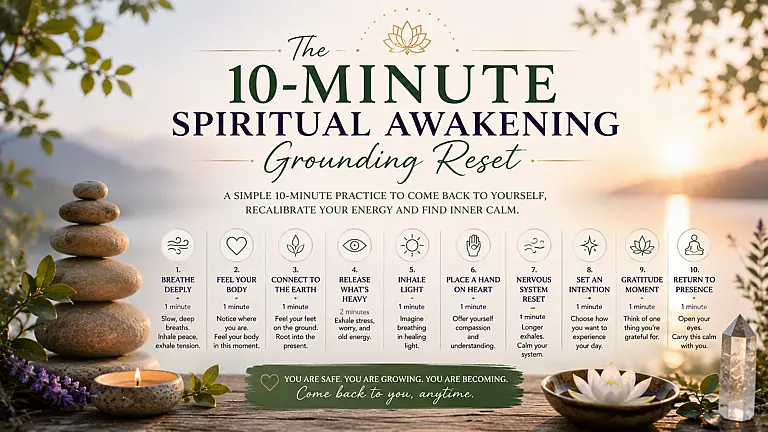
The 10-Minute Spiritual Awakening Grounding Reset
A 10-minute spiritual awakening grounding reset can help you calm emotional overwhelm, quiet racing thoughts, reconnect with your body, and return to the present moment. Spiritual awakening can make everything…
Read guide →
Spiritual Awakening Symptoms: 7 Signs You’re Shifting
Spiritual awakening symptoms are personal changes that some people connect with a growing sense of meaning, self-awareness, intuition, or spiritual curiosity. Commonly described experiences include questioning old beliefs, feeling drawn…
Read guide →
Spiritual Awakening Symptoms That Feel Like Depression
Some spiritual awakening symptoms can feel similar to depression, including emotional exhaustion, losing interest in old routines, feeling disconnected, questioning your purpose, or wanting more time alone. However, a spiritual…
Read guide →Explore 8 more Spiritual Growth Feels Confusing guides
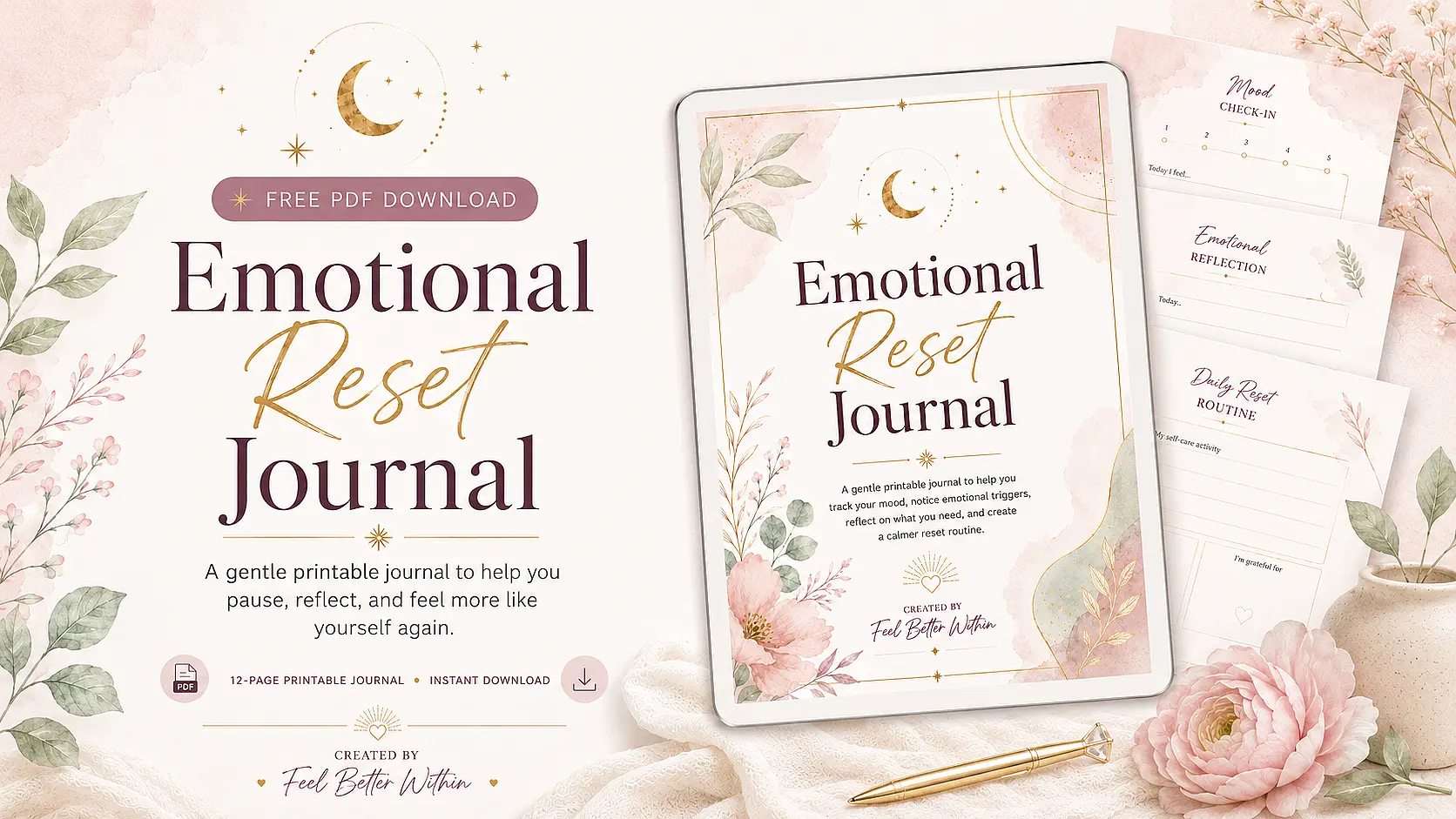
Prefer Something Printable?
Use the free Emotional Reset Journal when you want to get thoughts out of your head and onto paper before deciding what to read next.
Open the resource →Choose one useful next step.
You can always return to this hub when you want to explore another part of the topic.
Back to the top ↑