
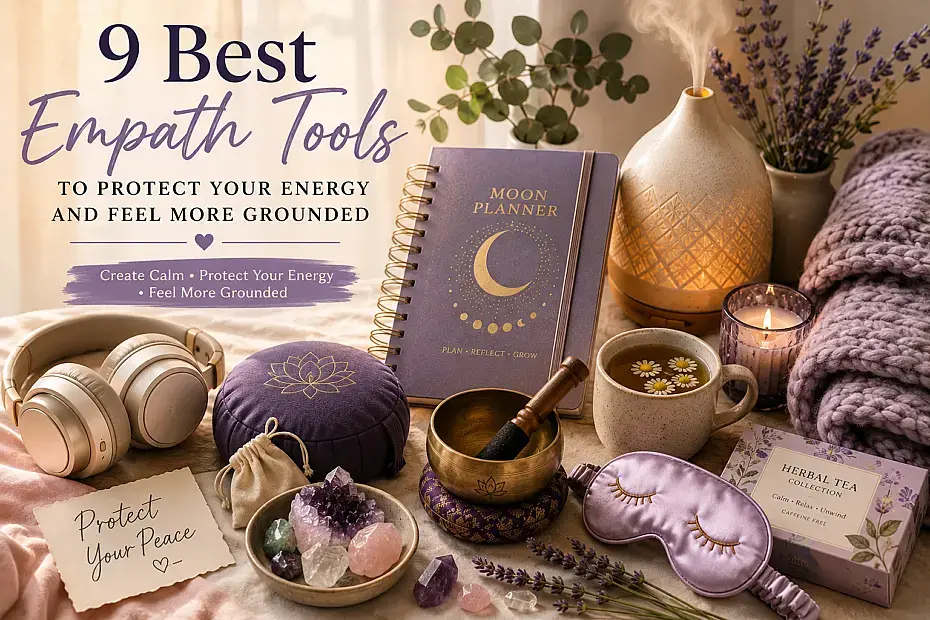
The best empath tools address a specific source of strain rather than promising an invisible shield. The nine options below support reflection, quieter surroundings, calming routines, restful sleep or optional spiritual practice:
- Moon Planner Journal
- Noise-Cancelling Headphones
- Weighted Blanket
- Essential Oil Diffuser
- Meditation Cushion
- Crystal Set for Mindful Reflection
- Silk Sleep Mask
- Herbal Tea Collection
- Singing Bowl
Here, “protect your energy” means looking after your time, attention and emotional wellbeing. These products cannot block another person’s feelings or prove that emotions are being transferred. Choose one that fits the situation you want to change, your preferences and your budget.
This post contains affiliate links. If you buy through them, we may earn a commission at no extra cost to you. As an Amazon Associate I earn from qualifying purchases.
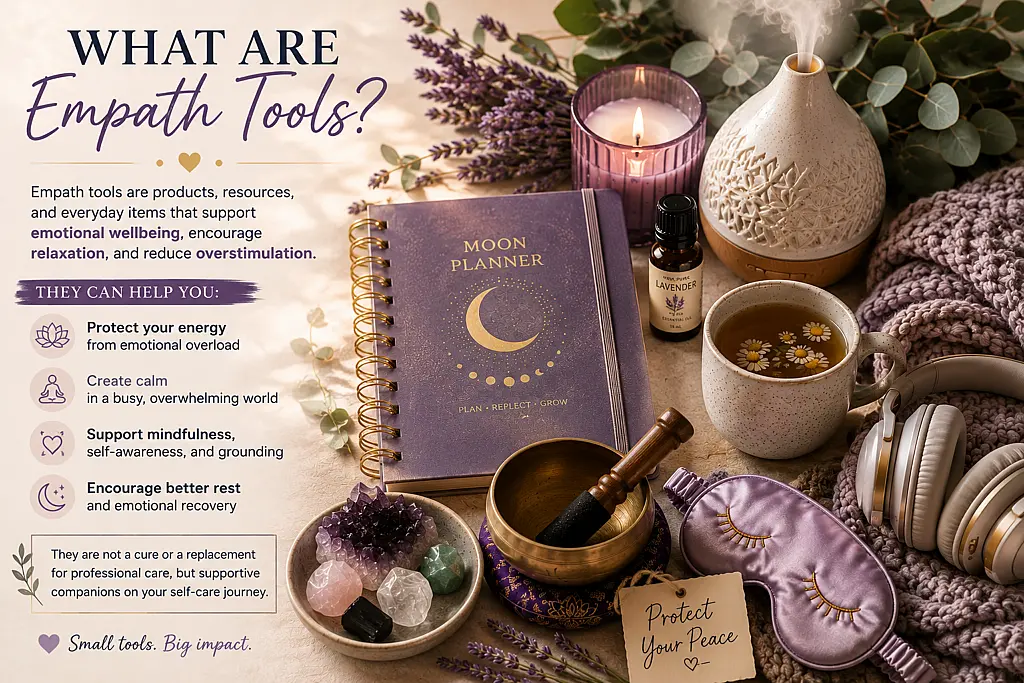
What these tools can and cannot do
People who identify as empaths may find conflict, crowded places, constant noise or prolonged social interaction tiring. A difficult conversation might continue replaying long after it ends, especially when you feel responsible for resolving everyone else’s emotions.
An ordinary tool can make a helpful response easier. A journal creates space to examine what happened, headphones reduce unwanted noise, and a sleep mask limits light. Any benefit comes from the habit or environmental change the item supports—not from removing emotional energy.
These tools are aids rather than cures. They cannot decide when you need to rest, communicate a limit on your behalf or replace professional support when distress persists.
How to choose without buying everything
Start with the moment that causes the most difficulty. If you replay conversations, try a journal. If a noisy commute leaves you depleted, consider headphones. If bedtime is disrupted by light or an inconsistent wind-down routine, begin with a sleep mask or one calming ritual.
- Name the problem: identify the particular situation, such as office noise or late-night rumination.
- Choose the simplest response: use an item you already own when it can do the same job.
- Connect it to an action: a cushion is useful only if it helps you pause and practise mindfulness.
- Review the result: keep the tool if it makes the routine easier; stop if it adds clutter, discomfort or expense.
The nine options at a glance
Use this comparison as a starting point rather than a shopping list. You may need only one or two items.
| Tool | Best For | Daily Use | Beginner Friendly |
|---|---|---|---|
| Moon Planner Journal | Reflection and mindfulness | ✅ | ✅ |
| Weighted Blanket | Better sleep | ✅ | ✅ |
| Essential Oil Diffuser | Relaxation | ✅ | ✅ |
| Noise-Cancelling Headphones | Sensory overload | ✅ | ✅ |
| Meditation Cushion | Mindfulness practice | ✅ | ✅ |
| Crystal Set | Spiritual reflection | Optional | ✅ |
| Herbal Tea Collection | Evening relaxation | ✅ | ✅ |
| Sleep Mask | Restful sleep | ✅ | ✅ |
| Singing Bowl | Meditation | Optional | Intermediate |
Tools for reflection, sensory relief and evening comfort
1. Moon Planner Journal
Best for: noticing emotional patterns, clarifying needs and preparing for boundary conversations.
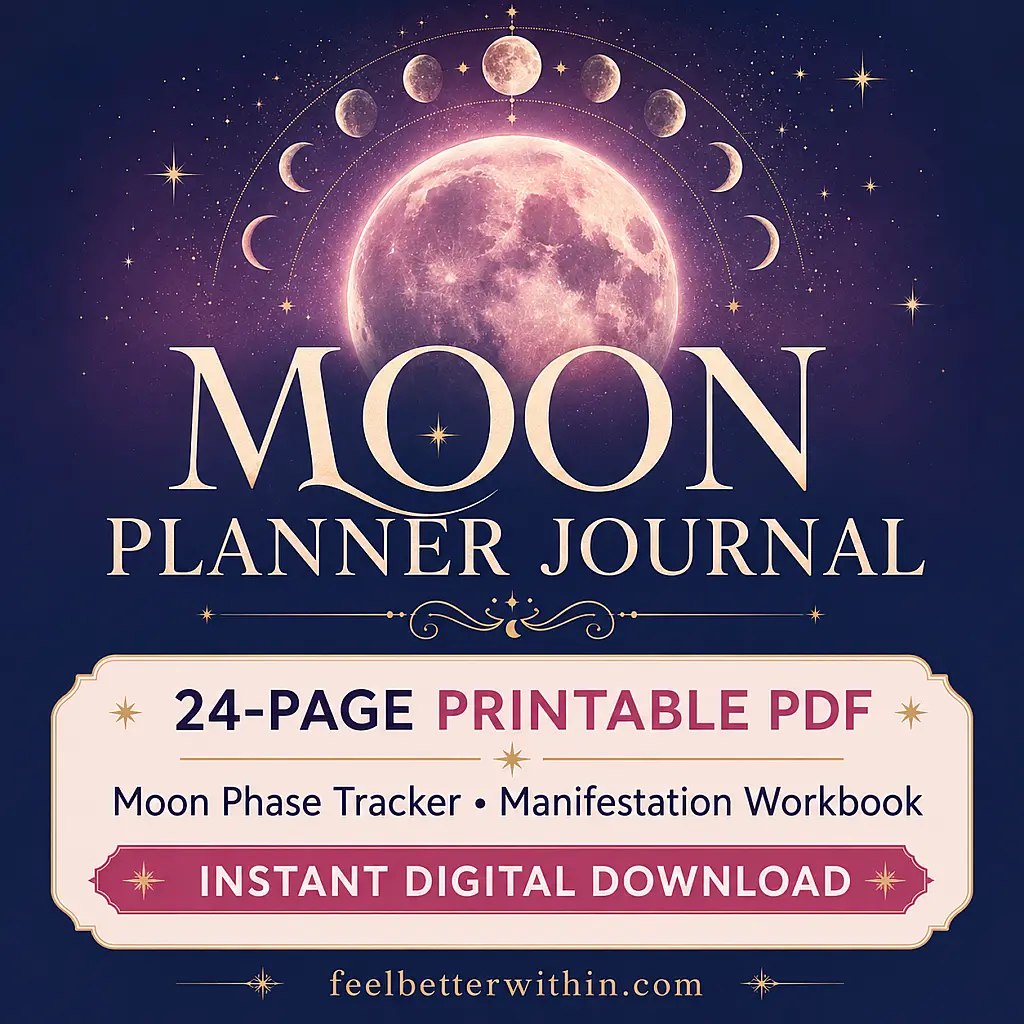
The Moon Planner Journal can be used for gratitude, intention setting and brief daily reflection. If lunar themes are meaningful to you, they can provide a symbolic rhythm for checking in. You can also use the journal as an ordinary planner without assigning spiritual influence to moon phases.
For a focused five-minute entry, answer four questions:
- What happened today?
- What did I feel, without guessing what anyone else was thinking?
- What did I need in that moment?
- What limit or practical action might help next time?
Reviewing several entries may reveal repeated situations, such as agreeing to calls when you need quiet or feeling tense after a particular type of conversation. The record is useful for identifying patterns; it is not proof that someone else’s emotions entered your body.
2. Noise-Cancelling Headphones
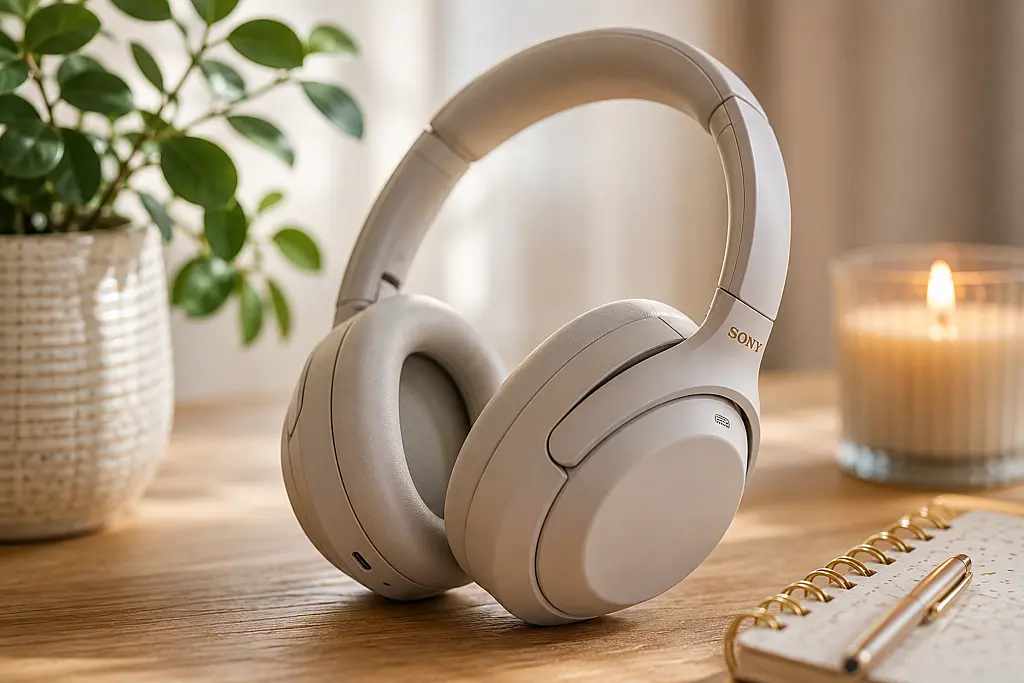
Best for: reducing distracting noise during travel, work or planned recovery time.
Background conversations, transport noise and busy shared spaces can consume attention. Noise-cancelling headphones may soften that sensory load, although they will not remove every sound. They can be particularly useful when you cannot leave the environment but can take a quiet break.
Use them deliberately: for example, during a commute, a focused work block or 15 minutes after arriving home. Keep the volume comfortable, and do not block important sounds when you need to hear traffic, announcements or people around you.
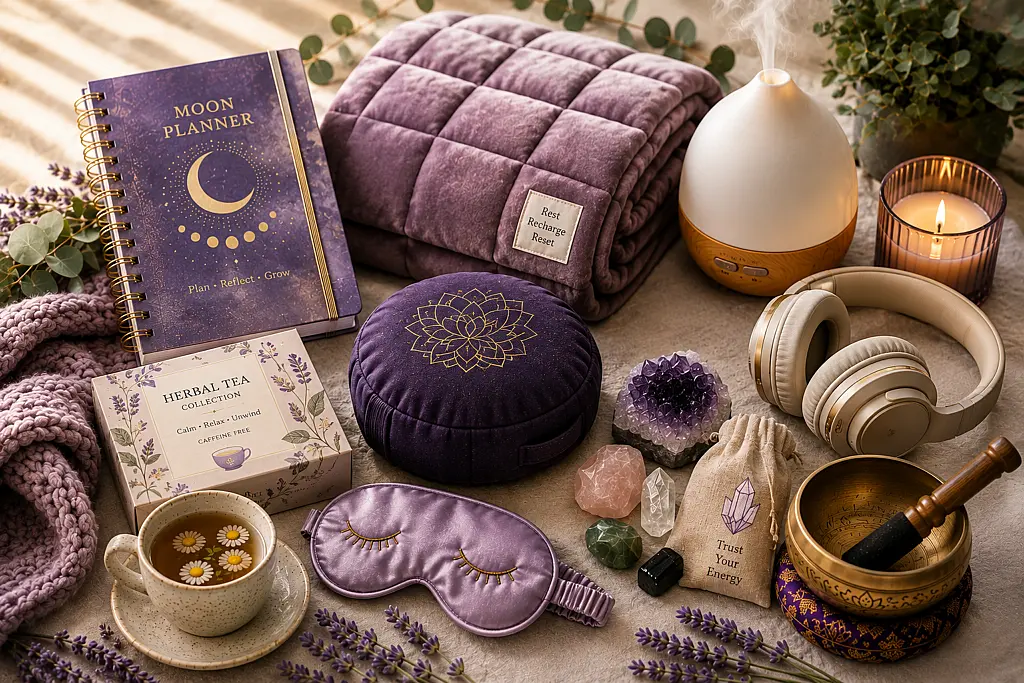
3. Weighted Blanket
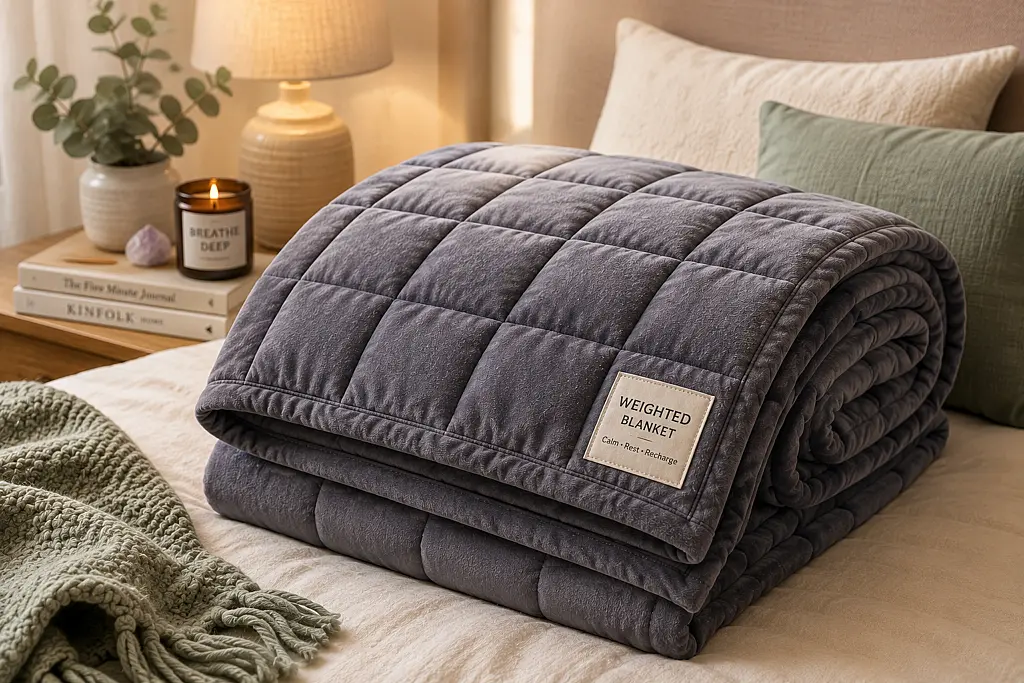
Best for: physical comfort while settling down after a demanding day.
Some people enjoy the even pressure of a weighted blanket; others find it too warm or restrictive. It will not resolve the conversation still running through your mind, but it may help make a quiet evening routine feel more settled and clearly defined.
Pair it with a specific wind-down action, such as putting your phone aside and reading for a short period. Follow the manufacturer’s guidance for sizing and use, and stop using it if the pressure feels uncomfortable.
If you want to compare options, 🛒 Check Today’s Prices on Amazon.
Tools for calming routines and mindful pauses
4. Essential Oil Diffuser
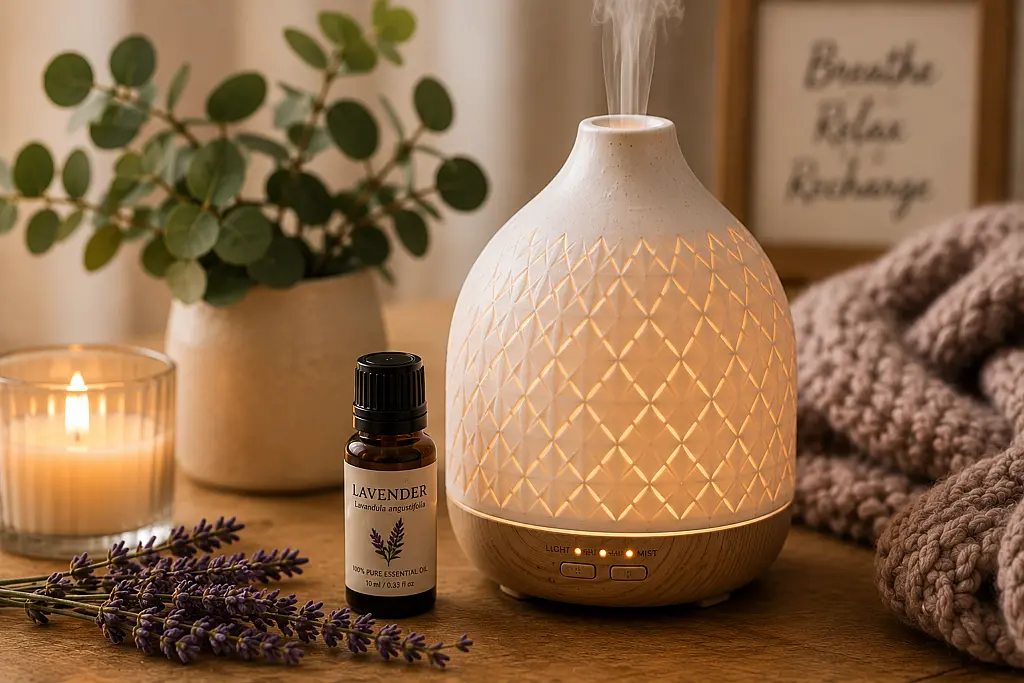
Best for: creating a sensory cue that the busy part of the day has ended.
A diffuser can add a chosen scent to a room and mark the beginning of journalling, reading or another quiet activity. It does not cleanse emotional energy or remove anxiety. Its practical role is to help distinguish a restorative routine from the rest of the day.
Scent is highly personal, so choose it for preference rather than promised effects. Follow the diffuser and oil instructions, ventilate the room, stop if a fragrance causes irritation, and consider anyone else—including children or animals—sharing the space.
If you want to compare options, 🛒 Check Today’s Prices on Amazon.
5. Meditation Cushion
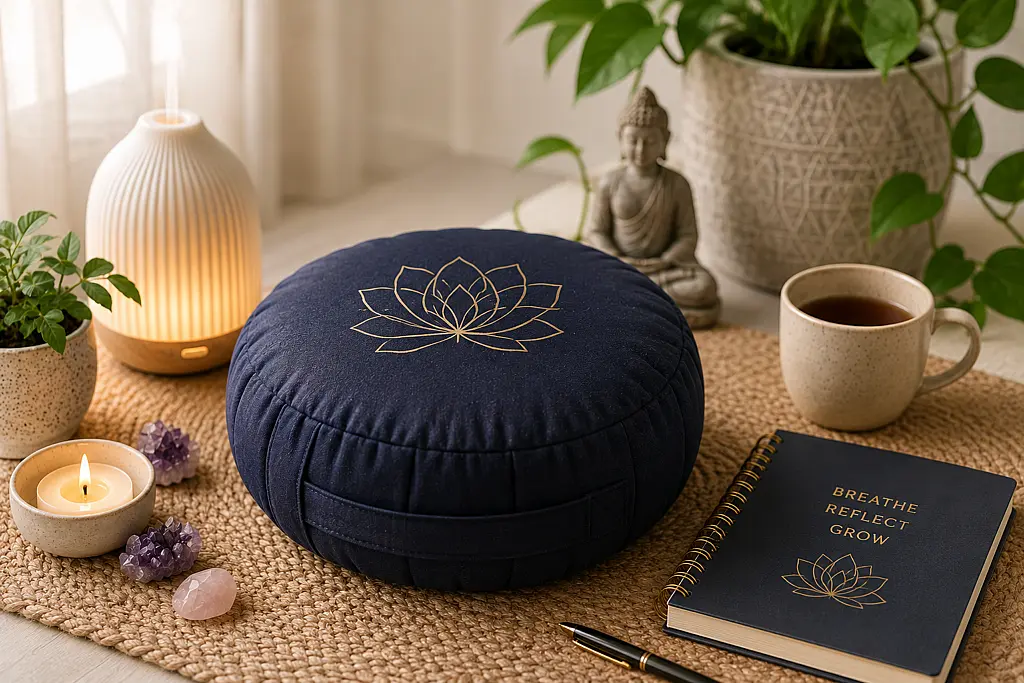
Best for: making short periods of meditation or quiet reflection more comfortable.
Meditation does not require specialist equipment, and a chair is a valid alternative. A cushion is useful when it helps you sit comfortably enough to maintain a regular practice without becoming distracted by your position.
Try a simple three-minute check-in: notice where your body meets the cushion, allow your breathing to remain natural, name the dominant feeling in one word, and ask what practical response you need next. That response might be a pause, a delayed reply or a clearer limit—not an interpretation of somebody else’s unspoken thoughts.
If you want to compare options, 🛒 Check Today’s Prices on Amazon.
6. Crystal Set for Mindful Reflection
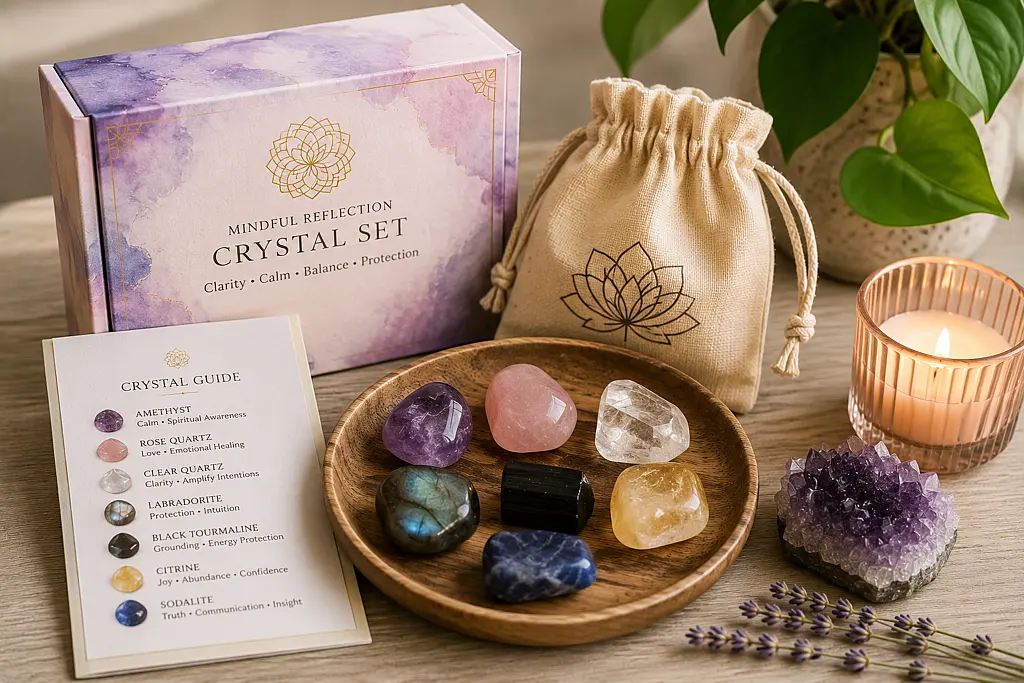
Best for: optional spiritual ritual, intention setting and visual reminders.
Crystals hold personal or spiritual meaning for some people. Their metaphysical effects are not scientifically established, so they should not be presented as objects that literally absorb feelings or form an energetic barrier. They can still serve as tactile or visual prompts to pause.
Within crystal traditions, common symbolic associations include:
- Amethyst: calm and reflection
- Rose quartz: self-compassion
- Black tourmaline: protection and grounding
- Clear quartz: clarity and intention
- Labradorite: transformation
These associations vary between traditions and are not demonstrated effects. For a practical ritual, choose one intention and place the stone beside your journal. When you see it, use it as a cue to ask whether your next action supports that intention.
If you want to compare options, 🛒 Check Today’s Prices on Amazon.
For a related, optional moon-based practice, see New Moon Ritual for Beginners.
Tools for rest and transitions
7. Silk Sleep Mask
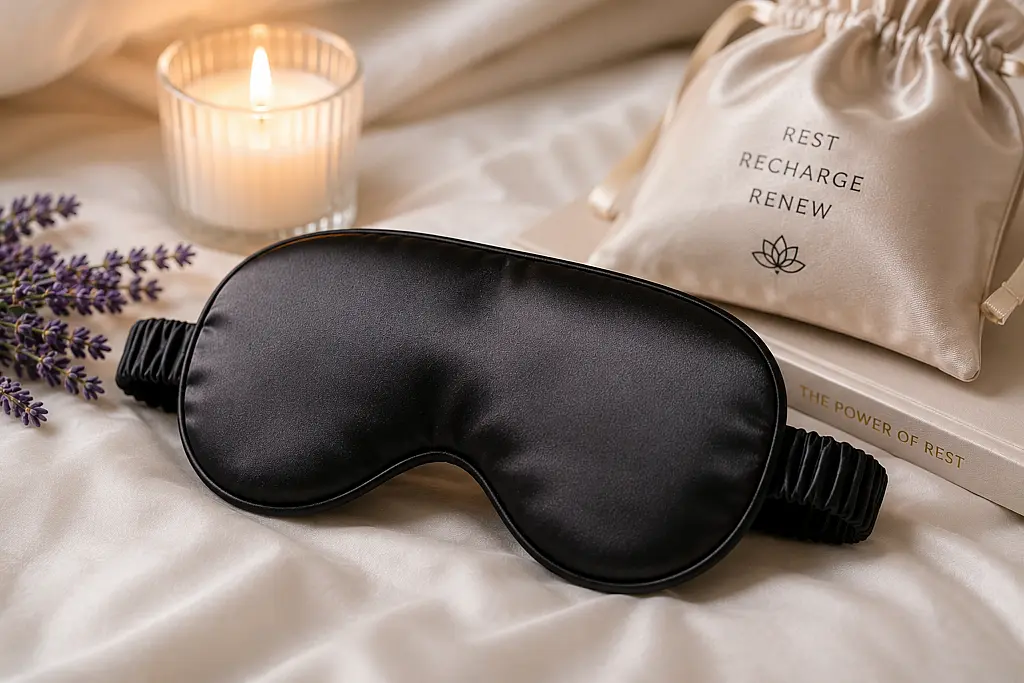
Best for: reducing unwanted light at bedtime, during travel or when sleeping in daylight.
A sleep mask has a straightforward purpose: it blocks light. This may make the sleep environment more comfortable when curtains do not keep a room dark or when changing surroundings make it difficult to maintain a familiar routine.
Silk is a comfort preference rather than a requirement; an opaque, well-fitting mask can perform the same practical task. Check that the strap is comfortable and that the mask does not press unpleasantly around your eyes. It can support a bedtime routine, but it does not treat an ongoing sleep problem.
If you want to compare options, 🛒 Check Today’s Prices on Amazon.
For a related spiritual perspective on sleep, see Which Chakra Is Related to Sleep?.
8. Herbal Tea Collection

Best for: creating a clear transition from work or social demands into the evening.
The useful part of an evening tea routine may be the pause it creates: boiling water, waiting for the drink to steep and sitting down without immediately beginning another task. The ritual can help mark a change of pace without claiming that a particular blend will remove emotional distress.
If you want a caffeine-free drink, check the label rather than assuming every blend qualifies. Read the ingredients and preparation directions, as “herbal” does not automatically mean that a product suits everyone. While the tea steeps, write down tomorrow’s first task so you do not have to keep rehearsing it at bedtime.
If you want to compare options, 🛒 Check Today’s Prices on Amazon.
9. Singing Bowl
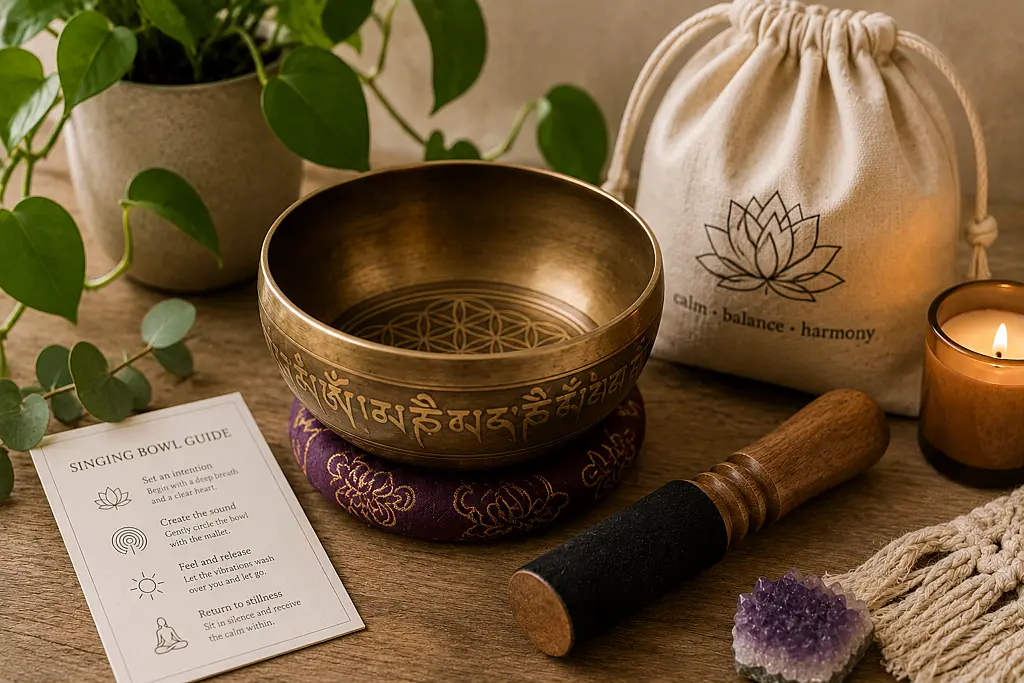
Best for: marking the beginning or end of meditation, work or another activity.
A singing bowl can carry spiritual meaning within a personal practice, or it can simply provide an audible transition cue. It does not clear a room of emotional energy. Its sound can instead remind you to stop, breathe normally and move your attention to the next deliberate action.
For example, sound the bowl once after closing your laptop, then name what comes next: preparing dinner, sitting quietly or going outside. Use it considerately in shared spaces, and choose a different cue if resonant sound feels overstimulating rather than calming.
If you want to compare options, 🛒 Check Today’s Prices on Amazon.
No product can set a boundary for you
A journal, diffuser or blanket can support a routine, but it cannot limit an intrusive conversation or decide how much help you can reasonably offer. Empathy does not require unlimited availability.
Clear language is often more useful than a vague attempt to withdraw. Depending on the situation, you might say:
- “I can listen for ten minutes, but then I need to finish my evening.”
- “I’m not able to take this on today.”
- “That sounds difficult. Would you like me to listen, or are you asking for practical help?”
The tool and the boundary can work together. Journalling may help you notice that late-night calls are a repeated problem; the spoken limit is what changes your availability.
Build a small toolkit around one recurring situation
A useful collection does not need all nine products. Match one or two items to a situation you can describe clearly:
- After difficult conversations: use the journal to separate what happened from what you assumed, then prepare a boundary sentence.
- In noisy environments: use headphones for a planned quiet interval rather than waiting until you feel completely overloaded.
- At bedtime: begin with one change—a mask, blanket or tea ritual—so you can tell whether it is genuinely helpful.
- During spiritual reflection: use a crystal or singing bowl as a symbol or cue, without relying on it as a protective force.
- When starting mindfulness: choose a cushion or chair and practise briefly enough that the routine remains realistic.
After several uses, ask whether the item addressed the original problem, whether the routine is sustainable and whether there were drawbacks. If it did not help, you do not need to keep using it simply because it was marketed for sensitive people.
Common questions
Can a product protect an empath’s energy?
Not literally. A product may reduce noise, block light, prompt reflection or support a calming routine. Protecting your energy in a practical sense comes from managing time and attention, recognising limits and communicating boundaries.
Which option is best for a beginner?
Choose the least complicated tool for your main difficulty. A notebook may be enough for recurring emotional confusion, while headphones may be more relevant if environmental noise is the problem. Buying several products at once can make it harder to identify what actually helped.
Do people who identify as empaths need crystals?
No. Crystals are optional spiritual or symbolic objects. If they make reflection feel more meaningful, they can have a place in your routine. If they do not, practical tools and clear boundaries are sufficient.
When are self-care tools not enough?
If anxiety, low mood, burnout, sleep problems or emotional distress persist or interfere with daily life, seek support from a qualified health professional. The items in this guide are intended for general wellbeing and cannot diagnose, treat or replace professional care.
Make the tool serve the habit
Choose one problem, one tool and one action. A journal is useful when you write in it, a mask when unwanted light is the issue, and headphones when quieter surroundings help you focus or recover. No item needs to “fix” sensitivity or prove a spiritual claim to be worthwhile; it only needs to support a routine that genuinely fits your life.

Cite or share this page
Want to reference this guide? Please link to the canonical page rather than copying the article.