
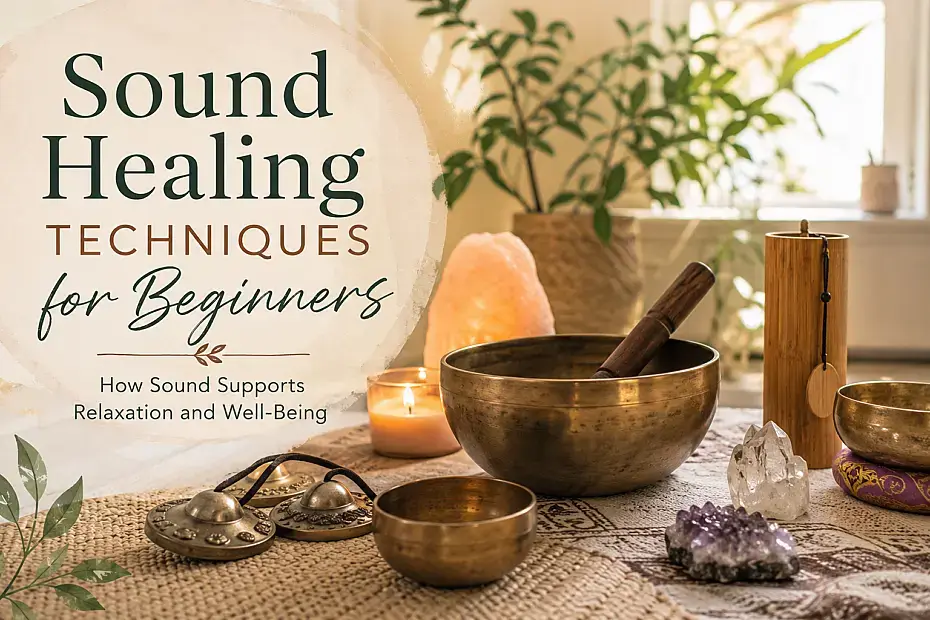
Sound healing techniques use sound, rhythm, vibration, and focused listening to support relaxation, mindfulness, emotional well-being, and stress reduction. Common sound healing techniques include humming, singing bowls, sound baths, chanting, nature sounds, mindful listening, and binaural beats.
While sound healing has gained popularity in recent years, the use of sound for healing, reflection, and connection is not new. Throughout history, cultures around the world have incorporated sound into ceremonies, meditation practices, community gatherings, and spiritual traditions.
Examples include:
- Drumming traditions
- Chanting and vocal toning
- Sacred singing
- Bells and chimes
- Gongs
- Flutes
- Singing bowls
- Nature-based sound rituals
Although the instruments and methods vary, the intention is often similar: creating a state of awareness, relaxation, focus, or reflection.
What makes sound healing techniques unique is their simplicity. Unlike some wellness practices that require extensive training or complicated routines, many sound-based practices are accessible to almost anyone. Even something as simple as listening to rainfall, humming softly, or focusing on the sound of your breath can become a form of sound healing.
Today, sound healing exists at the intersection of mindfulness, meditation, music, and personal well-being.
For some people, it becomes a form of meditation.
For others, it is a practical way to unwind after a stressful day, improve focus, or create a calming bedtime routine.
Many people are drawn to sound healing because modern life can be incredibly noisy. Constant notifications, social media, busy schedules, and information overload leave little room for stillness. Over time, this can contribute to mental fatigue, emotional overwhelm, and difficulty relaxing.
Sound healing techniques encourage the opposite.
Rather than adding more stimulation, they invite you to slow down, listen intentionally, and become more aware of the present moment.
This simple shift can help create a sense of mental space, making it easier to relax and reconnect with yourself.
For highly sensitive people and empaths, sound healing techniques can feel particularly supportive. Many sensitive individuals spend much of their day processing emotional information, environmental stimulation, and mental noise. Gentle sound practices may offer an opportunity to pause, reduce overstimulation, and support nervous system recovery.
At its core, sound healing is not about chasing extraordinary experiences or achieving instant transformation. It is about using sound intentionally to create moments of calm, presence, and self-awareness in a world that often feels overwhelming.
Whether you are listening to ocean waves, attending a sound bath, practicing chanting, or simply sitting quietly with a singing bowl, sound healing techniques provide an accessible way to bring more mindfulness and balance into everyday life.
It is important to understand that sound healing is not a replacement for medical care, mental health treatment, or professional support. Instead, it is best viewed as a complementary wellness practice that may help support relaxation, self-awareness, emotional balance, and stress management.
Our Approach to Sound Healing
At Feel Better Within, we approach sound healing as a mindfulness and relaxation practice rather than a cure-all solution.
Many people discover sound healing while searching for relief from stress, emotional overwhelm, mental clutter, or overstimulation. Rather than focusing on extraordinary claims, we focus on practical ways sound may help create calm, support self-reflection, and encourage a greater sense of presence.
This guide is written for readers who want practical, grounded sound healing techniques without exaggerated claims or confusing spiritual jargon.
The most meaningful benefits often come from consistency rather than complexity.
You do not need expensive instruments, advanced training, or hours of practice to begin exploring sound healing.
Why Sound Has Such a Powerful Effect on Us
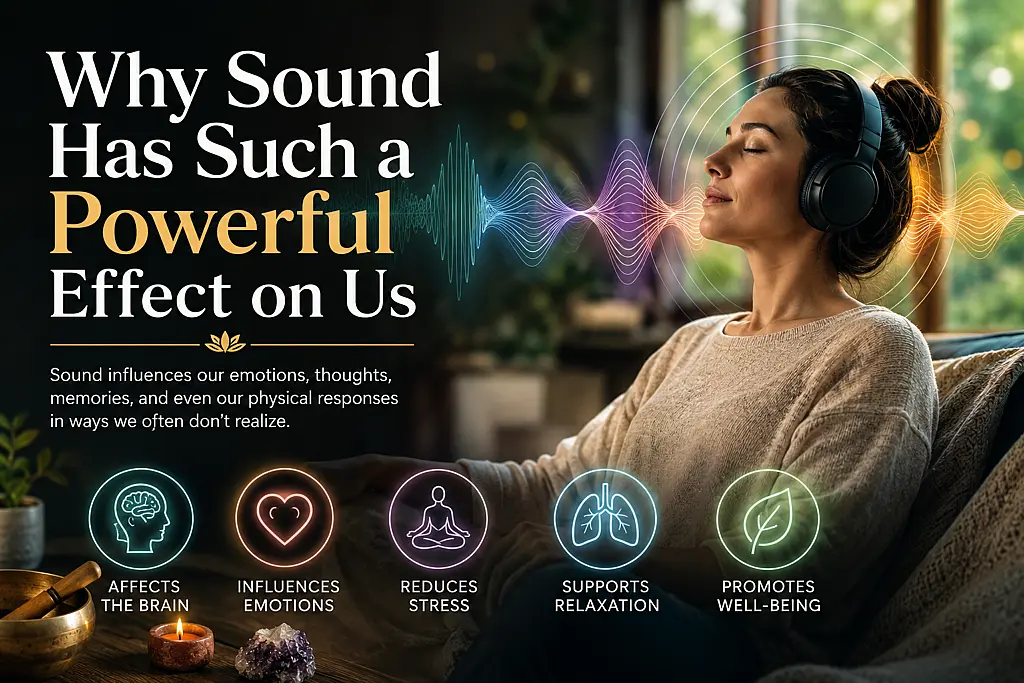
Most people think of sound as something they hear.
In reality, sound influences many aspects of human experience, often without us even realizing it.
Consider how different sounds affect your body and emotions:
- Ocean waves often feel soothing.
- A favorite song can instantly improve your mood.
- Sudden alarms can trigger tension or anxiety.
- Birdsong may create a sense of peace.
- Loud environments can feel overwhelming and exhausting.
Sound influences attention, memory, emotion, and physical responses within the body.
This is why certain sounds can help us feel relaxed while others contribute to stress or overstimulation.
Think about how quickly a song can transport you back to a specific moment in your life. Within seconds, you might remember a childhood experience, a relationship, a holiday, or a significant life event. Sound has a unique ability to connect directly with memory and emotion in ways that words alone often cannot.
The influence of sound extends beyond music.
The hum of traffic outside your window, the buzz of a crowded café, a ringing phone, or constant notifications can all place subtle demands on your attention throughout the day. Even when you’re not consciously focusing on these sounds, your brain is still processing them.
Over time, this constant stream of auditory input can contribute to mental fatigue.
Many people don’t realize how much noise they are exposed to until they spend time in a truly quiet environment. When the background noise disappears, it often becomes easier to notice just how overstimulated the mind has become.
This is particularly relevant for highly sensitive people and empaths, who often process sensory information more deeply than others. Busy environments, loud conversations, crowded spaces, and competing sounds can quickly become draining, even when nothing is technically wrong.
Sound also plays an important role in creating emotional atmosphere.
Think about the difference between:
- Walking through a quiet forest
- Sitting beside crashing ocean waves
- Entering a noisy shopping centre
- Listening to calming instrumental music
- Hearing construction work outside your home
Each environment creates a different internal response.
This is one reason sound healing techniques can feel so powerful. Rather than leaving your auditory environment to chance, you intentionally choose sounds that encourage calm, focus, reflection, or relaxation.
Many people discover that the greatest benefit of sound healing is not the sound itself but the opportunity to slow down and listen.
In a world filled with distractions, focused listening becomes a form of mindfulness.
Instead of constantly reacting to external demands, you create a moment to simply observe, breathe, and be present.
Understanding this relationship between sound, attention, and emotional well-being helps explain why sound healing techniques continue to resonate with so many people seeking simple ways to support their mental and emotional health.
Why Modern Life Makes Sound Healing More Relevant Than Ever
For most of human history, periods of quiet were a normal part of daily life.
Today, many people wake up to alarms, spend their day surrounded by conversations, notifications, videos, traffic, music, and constant information, then fall asleep while scrolling through content or listening to podcasts.
True silence has become increasingly rare.
Even when we are not actively paying attention to sounds, our brains are still processing them. The hum of appliances, background television, traffic noise, workplace conversations, and smartphone alerts all compete for our attention throughout the day.
This constant sensory input can contribute to:
- Mental fatigue
- Difficulty concentrating
- Increased stress
- Emotional overwhelm
- Trouble relaxing
One reason sound healing techniques resonate with so many people today is that they encourage intentional listening rather than passive consumption.
Instead of constantly absorbing information, you create space to notice how different sounds affect your thoughts, emotions, and physical state.
In many ways, sound healing offers a simple antidote to the overstimulation of modern life.
It reminds us that not every moment needs to be filled with noise, information, or activity.
Sometimes the most restorative thing we can do is slow down and listen.
How Sound Healing Works
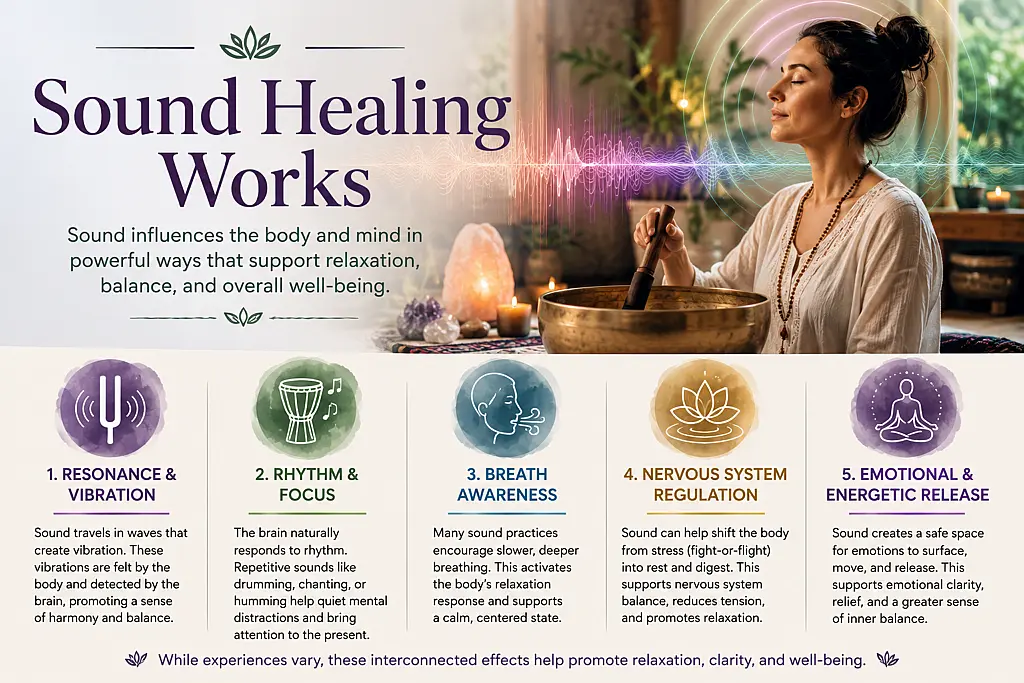
While experiences vary from person to person, there are several reasons why sound may influence how we feel.

Resonance and Vibration
Sound travels through vibration.
When you listen to a singing bowl, drum, or tuning fork, sound waves move through the environment and are detected by your body and brain.
Many sound healing traditions view vibration as an important part of the experience.
Rhythm and Focus
The brain naturally responds to rhythm.
Repetitive sounds such as drumming, chanting, or humming can help direct attention away from mental distractions and toward a single point of focus.
This may create a sense of calm and presence.
Breath Awareness
Many sound healing practices naturally encourage slower breathing.
When breathing slows, people often report feeling:
- More relaxed
- More present
- Less tense
- More connected to their bodies
Nervous System Regulation
One of the most practical explanations for sound healing involves the nervous system.
Modern life exposes many people to information overload, emotional stress, constant notifications, and mental fatigue.
Intentional listening practices can create opportunities to step away from constant stimulation and enter a calmer state.
This is one reason sound healing often pairs well with grounding practices.
Feeling Emotionally Overwhelmed?
Many people find that combining sound healing with grounding exercises creates a stronger sense of calm and emotional balance.
👉 Read: Mindfulness Grounding Techniques for Manifestation
What Does Science Say About Sound Healing?
Sound healing is a broad term, and scientific research varies depending on the technique being studied.
However, there is growing interest in how sound, music, rhythm, and mindful listening may influence well-being.
Research into music therapy, mindfulness practices, and relaxation techniques suggests potential benefits such as:
- Reduced stress
- Improved mood
- Relaxation
- Increased mindfulness
- Emotional regulation
Organizations such as the American Music Therapy Association have highlighted the ways structured music interventions can support emotional and psychological well-being in certain settings.
Researchers studying relaxation and mindfulness practices also suggest that focused listening may help shift attention away from stressors and encourage a calmer mental state.
At the same time, it is important to maintain realistic expectations.
Sound healing is not a guaranteed solution for every problem, nor should it replace appropriate medical or mental health care.
Many people find it helpful because it encourages intentional pauses in a fast-paced world.
While researchers continue exploring the relationship between sound, stress reduction, and emotional well-being, sound healing is best viewed as a supportive wellness practice rather than a medical treatment.
Potential Benefits of Sound Healing Techniques

While experiences vary from person to person, many people report a range of benefits from incorporating sound healing into their self-care routine.
It is important to remember that sound healing is not about achieving a specific outcome every time you practice. Instead, many of the benefits develop gradually through consistency and mindful attention.
Reduced Stress
One of the most commonly reported benefits of sound healing is relaxation.
Many people use sound healing techniques to create a break from daily pressures and constant mental stimulation. Whether listening to nature sounds, humming, or attending a sound bath, intentional listening can help create moments of calm in an otherwise busy day.
Improved Focus and Concentration
Modern life often pulls our attention in multiple directions at once.
Emails, notifications, conversations, and endless streams of information can leave the mind feeling scattered.
Sound healing encourages focused attention. By directing your awareness toward a single sound or rhythm, it may become easier to quiet mental chatter and improve concentration.
Emotional Awareness
Many people find that sound creates space for reflection.
When distractions are reduced, emotions that have been pushed aside often become easier to recognize and process.
This can support greater self-awareness and emotional understanding over time.
Better Sleep Preparation
Sound healing can be a valuable addition to an evening routine.
Calming sounds may help signal to the body that it is time to slow down and prepare for rest.
Many people enjoy listening to:
- Ocean waves
- Rainfall
- Gentle instrumental music
- Singing bowls
- Nature sounds
before bed.
Enhanced Meditation
For those who find traditional meditation difficult, sound can provide a useful focal point.
Instead of constantly fighting distracting thoughts, attention can gently return to the sound itself.
This often makes meditation feel more accessible for beginners.
A Greater Sense of Presence
Perhaps one of the most overlooked benefits of sound healing is its ability to encourage presence.
Many people spend large portions of the day thinking about the future or replaying events from the past.
Sound healing gently redirects attention to what is happening right now.
Who May Benefit Most From Sound Healing?
Sound healing is often associated with spiritual communities, but its appeal extends far beyond that.
Many different people enjoy sound-based wellness practices.
You may find sound healing particularly helpful if you:
- Feel overwhelmed by stress
- Struggle to switch off mentally
- Enjoy mindfulness practices
- Need support creating moments of calm
- Feel overstimulated by busy environments
- Want a simple self-care practice
- Find traditional meditation challenging
Sound healing is especially popular among:
- Busy professionals
- Caregivers
- Teachers
- Healthcare workers
- Meditation practitioners
- Sensitive individuals
- Empaths
The common thread is often a desire for greater balance, relaxation, and self-awareness.
7 Sound Healing Techniques for Beginners

One of the best things about sound healing is that you do not need expensive equipment or years of training to begin.
Many effective practices are simple, accessible, and beginner-friendly.
1. Humming
Humming is one of the easiest sound healing techniques to practice.
Simply take a slow breath and create a gentle humming sound as you exhale.
Many people find humming relaxing because it combines:
- Breath awareness
- Vibration
- Focused attention
It can be practiced almost anywhere and requires no special equipment.
2. Singing Bowls
Singing bowls produce long, sustained tones that many people associate with relaxation and meditation.
They are often used during:
- Meditation
- Reflection
- Journaling
- Mindfulness practices
Many beginners enjoy the simplicity of focusing on a single sound.
3. Sound Baths
A sound bath involves listening to instruments such as:
- Gongs
- Singing bowls
- Chimes
- Drums
Participants typically lie down or sit comfortably while focusing on the sounds around them.
The experience is often passive, allowing you to simply listen and observe.
4. Nature Sounds
Nature may be one of the most accessible forms of sound healing.
Many people find sounds such as:
- Rainfall
- Ocean waves
- Forest ambience
- Running water
- Birdsong
deeply calming.
Nature sounds can be particularly helpful for people who feel overwhelmed by busy environments.
5. Chanting
Chanting has been used across cultures for centuries.
Repeating sounds, words, or phrases creates rhythm and focus while encouraging mindful breathing.
6. Binaural Beats
Binaural beats involve listening to slightly different frequencies through headphones.
Many people use them during:
- Relaxation
- Meditation
- Focus sessions
- Study periods
While experiences vary, some people find binaural beats useful as part of a broader mindfulness practice.
7. Mindful Listening
Perhaps the most underrated sound healing technique is simply listening.
Choose a sound and give it your full attention.
Notice:
- Tone
- Rhythm
- Volume
- Texture
- Emotional response
This simple practice encourages mindfulness and presence without requiring any special tools.
What Does a Sound Healing Session Feel Like?
One of the most common questions beginners ask is what they should expect during a sound healing session.
The honest answer is that experiences vary.
Some people feel deeply relaxed.
Others notice their thoughts slowing down or their breathing becoming more steady.
Some people experience emotional reflection, while others simply enjoy the opportunity to rest without distractions.
Common experiences may include:
- A feeling of calm
- Increased body awareness
- Reduced mental clutter
- Emotional insight
- Relaxation
- Improved focus
It is also completely normal to feel very little during your first few sessions.
Many people expect dramatic experiences because of what they see online.
In reality, the benefits of sound healing are often subtle and build over time through regular practice.
The goal is not to force a particular outcome.
The goal is to create space for awareness, presence, and relaxation.
Why Sound Healing Can Feel Especially Helpful for Empaths

Empaths and highly sensitive people often process their surroundings more deeply than others.
This sensitivity can be a strength.
However, it can also contribute to:
- Emotional overload
- Mental fatigue
- Sensory overwhelm
- Compassion fatigue
- Difficulty switching off
Many sensitive individuals spend much of their day absorbing emotional information, environmental stimulation, and other people’s stress.
As a result, the nervous system rarely gets a chance to fully rest.
Sound healing offers something different.
Unlike social media, news, conversations, or constant information consumption, sound healing encourages stillness and focused attention.
Rather than adding more stimulation, it creates an opportunity to slow down.
Why Sensitive People Often Respond Strongly to Sound
Highly sensitive people often notice details that others overlook.
This includes:
- Emotional atmospheres
- Background noise
- Changes in tone of voice
- Environmental sounds
- Sensory stimulation
Because of this heightened awareness, sound can have a particularly strong effect on their overall well-being.
A noisy café may feel exhausting.
A busy shopping centre may feel overwhelming.
At the same time, ocean waves, rainfall, birdsong, or calming music may feel deeply restorative.
Sound healing allows sensitive individuals to intentionally create a more supportive sensory environment.
Feeling Drained by Constant Emotional Input?
If you frequently absorb other people’s emotions or struggle with emotional exhaustion, burnout may be contributing to your fatigue.
👉 Read: Empath Burnout: Signs, Causes and Recovery
Creating a Simple Sound Healing Practice at Home
One of the biggest misconceptions about sound healing is that it requires expensive instruments or special training.
In reality, a simple practice can be incredibly effective.
Start with:
- A quiet space
- Comfortable seating
- Five to ten uninterrupted minutes
- A sound source
This could be:
- Nature sounds
- A singing bowl
- Gentle music
- Your own humming
- A guided sound meditation
A beginner practice might look like this:
- Sit comfortably.
- Take several slow breaths.
- Choose one sound.
- Focus on listening.
- Notice thoughts without judgment.
- Return your attention to the sound whenever your mind wanders.
The goal is not perfection.
The goal is presence.
Looking for a Deeper Reflection Practice?
Sound healing often brings thoughts, emotions, and insights to the surface.
Journaling can help you process these experiences and develop greater self-awareness.
👉 Read: How to Use Intuitive Journaling to Hear Your Inner Voice
Common Sound Healing Mistakes

Like any wellness practice, sound healing is most effective when approached with realistic expectations.
Expecting Instant Results
Many people expect dramatic changes after a single session.
While some individuals notice immediate benefits, most people experience greater results through consistency.
Searching for the Perfect Frequency
You do not need a specific frequency to benefit from sound healing.
The best sound is often the one that genuinely helps you feel calm and present.
Overcomplicating the Process
Many beginners assume they need multiple instruments, expensive equipment, or advanced techniques.
Simple practices are often enough.
Ignoring Personal Preference
Not every sound resonates with every person.
Trust your own experience.
Using Sound Healing Instead of Professional Support
Sound healing can complement other wellness practices, but it should never replace appropriate medical or mental health care when needed.
When Sound Healing May Not Be Enough
While sound healing can be a valuable wellness practice, it is important to recognize its limitations.
Sound healing is most effective when viewed as one part of a broader approach to well-being rather than a solution for every challenge.
There may be times when additional support is needed.
If you are experiencing:
- Persistent anxiety
- Depression
- Significant emotional distress
- Trauma-related symptoms
- Chronic sleep difficulties
- Ongoing burnout
- Difficulty functioning in daily life
Professional guidance from a qualified healthcare provider or mental health professional is recommended.
Sound healing can complement therapy, mindfulness practices, self-care routines, and healthy lifestyle habits, but it should not replace appropriate treatment when needed.
One of the most empowering things you can do is combine supportive practices rather than relying on a single solution.
Frequently Asked Questions
Does sound healing actually work?
Many people report feeling calmer, more relaxed, and more focused after practicing sound healing. Individual experiences vary, and scientific research continues to explore how sound, music, and focused listening influence emotional well-being, relaxation, and stress reduction.
What is the difference between a sound bath and sound healing?
A sound bath is one type of sound healing experience.
Sound healing is a broader term that includes many practices such as:
- Humming
- Chanting
- Singing bowls
- Nature sounds
- Tuning forks
- Mindful listening
- Sound baths
Can I practice sound healing at home?
Yes.
Many beginner-friendly sound healing techniques require little or no equipment.
Simple practices such as humming, mindful listening, or listening to nature sounds can be done from home.
How often should I practice sound healing?
Consistency is generally more important than duration.
Even five to ten minutes several times per week can help create moments of calm and mindfulness.
Some people enjoy daily practice, while others use sound healing when they feel stressed or overwhelmed.
Do I need expensive instruments?
No.
While singing bowls, chimes, and other instruments can be enjoyable, they are not necessary.
Your voice, breath, and freely available sounds from nature can all be used as part of a sound healing practice.
Is sound healing spiritual?
It can be, but it doesn’t have to be.
Some people approach sound healing as part of their spiritual journey, while others simply use it as a relaxation, mindfulness, or stress-management tool.
What are the best sound healing techniques for beginners?
Many beginners start with:
- Humming
- Nature sounds
- Mindful listening
- Singing bowls
- Gentle chanting
The best technique is often the one you genuinely enjoy and feel motivated to practice consistently.
Can sound healing help with stress?
Many people use sound healing specifically to support relaxation and stress management.
While it is not a replacement for professional care, sound healing may help create opportunities to slow down, reduce mental clutter, and encourage a greater sense of calm.
The Most Powerful Sound Healing Practice Is Often the Simplest
Many people begin exploring sound healing while searching for the perfect instrument, frequency, or technique.
Over time, they often discover that the greatest benefits come from consistency rather than complexity.
The most powerful sound healing practice is often the one you can return to regularly.
That might be:
- Listening to ocean waves before bed
- Spending a few quiet minutes with a singing bowl
- Humming during a stressful day
- Practicing mindful listening during a walk
- Sitting quietly with calming music
The goal is not perfection.
The goal is presence.
Sound healing reminds us that we do not always need more information, more productivity, or more stimulation.
Sometimes what we need most is a moment to pause, listen, and reconnect with ourselves.
In a world that constantly competes for our attention, intentional listening becomes an act of self-care.
Whether you choose humming, chanting, nature sounds, sound baths, or mindful listening, sound healing offers a simple way to create moments of calm and balance in everyday life.
The most meaningful changes often come from the smallest practices repeated consistently over time.
When approached with curiosity and realistic expectations, sound healing can become a valuable part of a more mindful, grounded, and intentional life.
Helpful Resource
🌙 Moon Planner Journal
If you enjoy mindfulness, reflection, and personal growth practices, the Moon Planner Journal can help you track:
✓ Emotional patterns
✓ Energy shifts
✓ Self-care habits
✓ Monthly intentions
✓ Personal growth insights
✓ Reflection rituals

Many readers use it alongside journaling, meditation, sound healing, and monthly reflection practices to create a more intentional approach to well-being.
Explore the Moon Planner Journal →
Final Thoughts
Sound healing techniques are not about chasing extraordinary experiences or finding a quick fix.
They are about creating space.
Space to slow down.
Space to breathe.
Space to listen.
Whether you’re feeling stressed, emotionally overwhelmed, mentally cluttered, or simply looking for a new mindfulness practice, sound healing offers an accessible place to begin.
You do not need special skills.
You do not need expensive tools.
You only need a willingness to pause and pay attention.
In many ways, that simple act of listening may be one of the most valuable forms of self-care available in today’s increasingly noisy world.
Disclaimer
This article is for educational and informational purposes only and should not be considered medical advice. Sound healing is a complementary wellness practice and is not intended to diagnose, treat, cure, or prevent any medical condition. If you have concerns about your physical or mental health, consult a qualified healthcare professional.
feelbetterwithin.com participates in the Amazon Services LLC Associates Program, an affiliate advertising program designed to provide a means for sites to earn advertising fees by advertising and linking to Amazon.com and other affiliate programs.
